Commentary: 'This is the time the regime will fall.' Iran's protests as seen through my family's group chat
Published in Op Eds
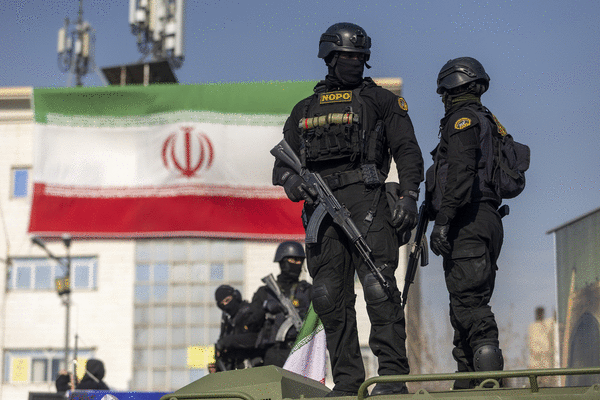
A WhatsApp group serves as a lifeline for my maternal family, including my aunts and uncles, all still in Iran, and my cousins, who have left Iran. With the protests in Iran growing by the day, the conversations in our chats changed to signs of hope even amid grave concerns about our family’s safety.
“I feel it this time. This is the time the regime will fall, and we’ll all finally be reunited,” one cousin said. The last time we were all together was December 2014 in Tehran.
“I’ve never wanted to be with you all more,” a second responded. “Do you have internet?” another asked. The family members in Iran don’t respond. The regime once again had cut off the internet. But this time, it wasn’t the sound of missiles that filled Iran’s air, as it was last June, but the voice of the Iranian people demanding freedom, demanding economic stability, demanding a future. And it is the voice of the people that the regime fears most.
My father left Iran in 1977 to pursue his graduate degree in the United States. “I walked into the U.S. Embassy in Tehran for my visa. Even on the hottest day, you could always find shade in the American Embassy of Tehran.” A quick stamp from the immigration officer, and he was off. He boarded a direct flight from Tehran to New York City. And two years later, in 1979, from a dorm room in Philadelphia, he watched a revolution unfold in his home country of Iran.
“Did you support the revolution then?” I asked. “Yes,” he said. “Why?” I asked. “Because I wanted democracy. I wanted freedom. The shah (Mohammad Reza Pahlavi) was a dictator.”
My mom witnessed the 1979 revolution firsthand from Tehran. My parents met in the United States several years later after my mom’s own emigration from Iran during the Iran-Iraq War.
“Don’t trust the mullahs,” she heard her grandpa say. My great-grandpa was a general in the shah’s army. “But the shah has given away all our oil,” my mom argued. “And we’re treated like second-class citizens in our own country. We need to manage our own economy and build a democracy!” My great-grandpa responded, “I want a democracy too. But that path is not with the mullahs.”
How I wish we could turn back the clock 47 years and heed the words of my great-grandpa. Instead, the major political factions of the time — from the moderates to the communists to the Islamists to millions of everyday Iranians — put their trust in the mullahs to bring them a free Iran.
Fast-forward to today, where the name being shouted in the streets is none other than Reza Pahlavi — the son of the dictator overthrown by the Islamic Revolution in 1979.
Are we going in circles? Or is the road to a lasting free and democratic country merely full of twists and turns?
The street names in Tehran change with the passage of power. Pahlavi was the name of a beautiful large boulevard in Tehran under the shah. It is now Valiasr, named after the 12th Shia Imam. Though for a brief time, it was Mossadegh, named after the democratically elected leader overthrown in a CIA-assisted coup in 1953. As a child, I remember hailing a taxi with my aunt in Tehran. My aunt would always say Mossadegh when we were going to the famous boulevard. “Khanoom (ma’am), it’s actually Valiasr now,” the driver would say. “It’ll always be Mossadegh to me,” she quipped.
Time will tell whom the streets will be named after this time. Pahlavi again? Another politician? Another imam?
I hope, this time, it’s named Mardom (the people). May the Iranian people, at last, get the real freedom and true democracy they have sought for decades.
____
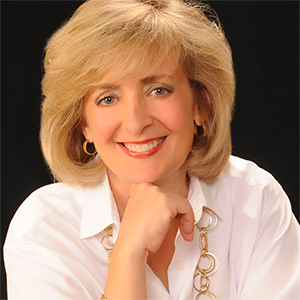
Talla Mountjoy is senior director of programs for the Forum for Free Inquiry and Expression at the University of Chicago.
___
©2026 Chicago Tribune. Visit at chicagotribune.com. Distributed by Tribune Content Agency, LLC.






Comments