COUNTERPOINT: Ban kids from social media? Yes, absolutely
Published in Op Eds
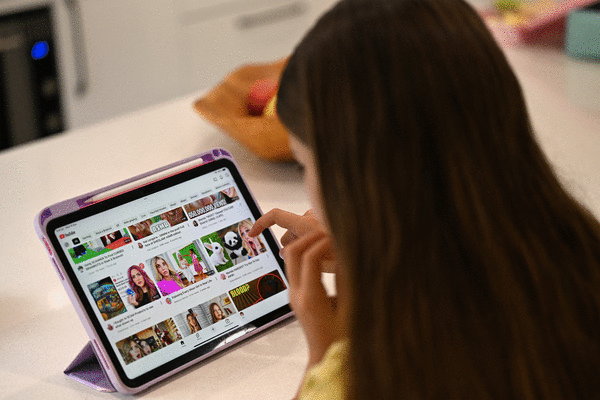
Should the United States follow Australia’s lead in banning children under 16 from social media platforms? Absolutely!
Australia has set a new global standard by requiring platforms to act in children’s best interests. Its new law raises the minimum age to 16, requires age verification, and holds platforms financially accountable for enforcement.
This isn’t a lifetime “ban.” It’s a delay that gives kids time to grow the emotional and cognitive skills needed to navigate one of the most powerful influences in their lives: social media.
We already delay access to driving, gambling, alcohol and cigarettes because those activities come with serious risks that young people are not equipped to manage. Social media belongs in that same category.
Delaying access to social media isn’t just a parenting strategy. It can be a matter of life and death.
—Mason Bogard, age 15, died doing a viral “choking challenge.”
—Alexander Neville, age 14, bought a counterfeit pill on Snapchat and died of fentanyl poisoning.
—Gavin Guffey, age 17 and son of a South Carolina legislator, took his life after being sextorted.
There are hundreds more stories that end in tragedy. Big Tech has had decades to fix the harms that are hurting our kids, but they haven’t, and they won’t, until they’re forced to.
Teens say social media feels like a trap, built to keep them scrolling, comparing and chasing validation. They talk about daily pressure from "Snap streaks," the constant pull of infinite scroll, the sting of bullying and the backlash that erupts when “private” disappearing messages or chats go public. Algorithm-driven rabbit holes only make it harder to escape.
Just ask a teen:
— 45% of teens say they spend too much time on social media.
—20% say social media is hurting their mental health or grades.
They’re growing up in a world where their feeds are clogged with AI slop, clickbait and ads, and grown adults send unsolicited explicit photos. This is “normal” for them. They don’t know it could be different.
They need adults to set the standard, as we have done with other things that cause harm.
The U.S. surgeon general issued a 2023 advisory warning that kids spending more than three hours daily on social media face double the risk of mental health problems like anxiety and depression. The typical teen spends 3.5 hours each day on social media, putting them squarely in the danger zone.
In the United States, kids as young as 13 can legally sign up for social media, not because it’s safe but because of an outdated law called the Children’s Online Privacy Protection Act. It was created to limit how companies collect data from kids, not to protect brain development or mental health.
And it’s failing. Kids as young as 12 routinely create accounts because there’s no meaningful age verification. Platforms ask: “Are you 13?” A child clicks yes, and they’re in.
Social media companies say they care about safety, but their actions tell another story. Since 2022, platforms like Meta, YouTube and X have gutted their trust and safety teams, laying off tens of thousands of employees responsible for building protections, removing dangerous content and enforcing community standards. They’re stripping away the safeguards parents assume exist when they hand a child a phone.
Whistleblowers like Frances Haugen and Arturo Béjar have made it clear: Companies like Meta knew they were harming children. And they chose not to stop. They chose profit over protection.
Meanwhile, parents are doing everything they can to keep up. They set timers. They try to monitor, to talk, to guide. They install apps and use parental controls, but in-app parental controls are clunky, easily bypassed, and they don’t answer the question that keeps parents up at night: Is my child doing OK on social media?
How can any one parent compete with a multibillion-dollar platform engineered to keep their child hooked?
No family should have to fight this battle alone, just like no family should have to individually regulate alcohol sales to minors. We don’t leave it up to parents. We create laws. We build guardrails. We hold industries accountable.
It’s time to do the same for Big Tech.
Australia is raising the bar. It is telling social media companies: your platforms must protect children or pay the price. That’s what leadership looks like. That’s what putting kids first means.
We must stop treating this as a private parenting problem and recognize it for what it is: a public health and safety crisis.
Children deserve the chance to grow up with fewer pressures, less manipulation and more protection.
Delay social media. Our kids will thank us later.
____
ABOUT THE WRITER
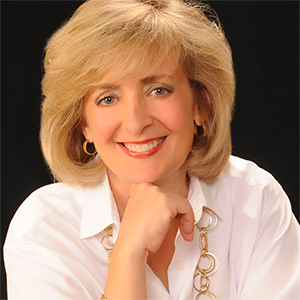
Lisa Honold is the founder of the Center for Online Safety. She wrote this for InsideSources.com.
___
©2025 Tribune Content Agency, LLC
































Comments