
9 essential steps for starting seeds indoors successfully
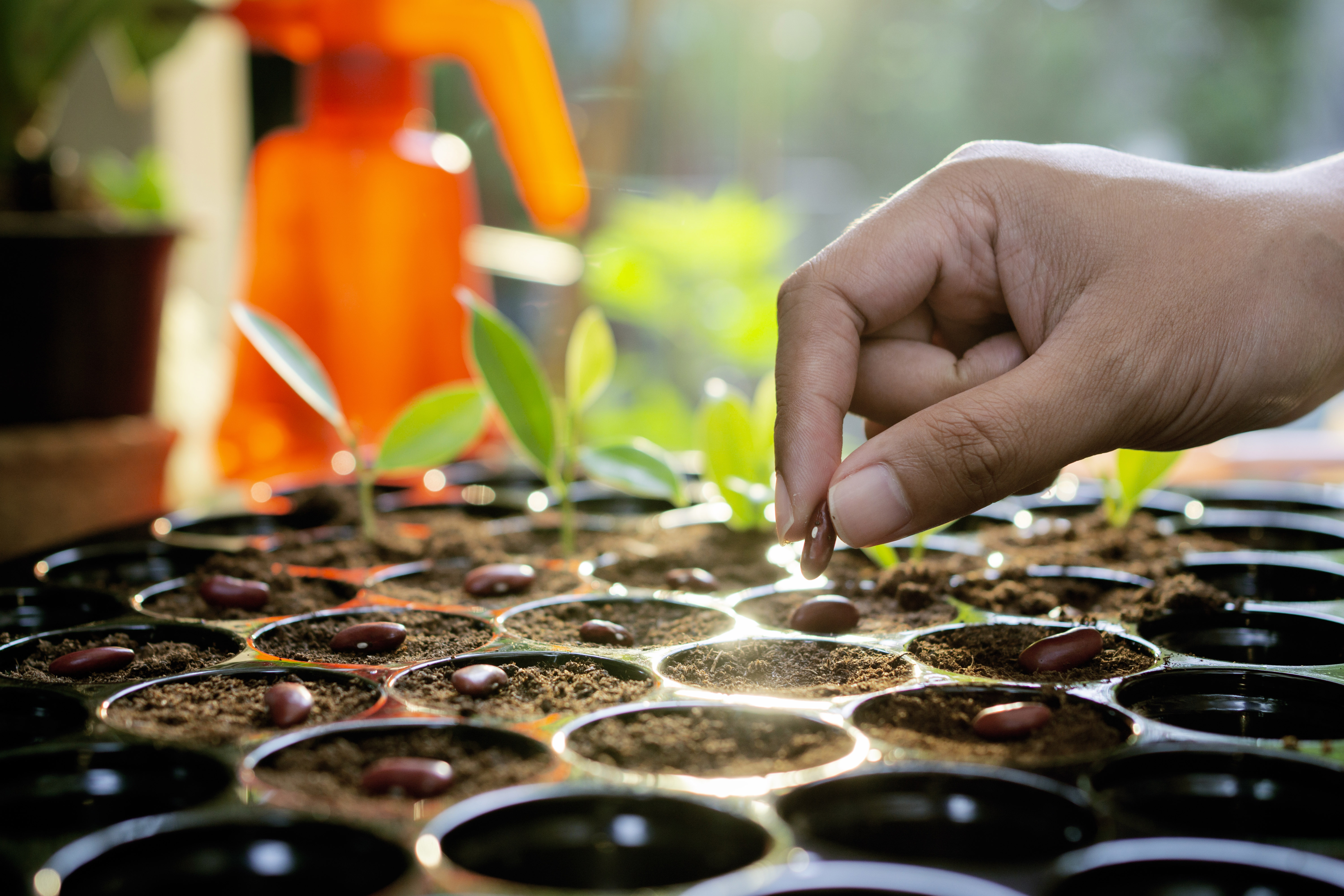
Starting seeds indoors is a time-honored way to get a jump on the growing season. Here’s what you need to know to successfully start seeds indoors for planting in your garden once temperatures warm up in spring.
When to start seeds indoors
Exactly when to start your seeds depends on your climate and the types of seeds you’re growing. Look on the seed package label to find the number of weeks suggested to start the seeds indoors before the average last frost date for your area.
Steps for starting seeds indoors
Follow these steps to plant veggie, herb, and flower seeds indoors in pots.
1. Gather supplies.
Here’s what you’ll need:
2. Fill pots.
Fill pots with fresh, moistened seed-starting mix. Don’t use garden soil, which is too heavy and may have insects or diseases in it. Leave about a quarter-inch of room at the top to make watering easier.
3. Sow seeds.
Follow the seed packet instructions for planting. Some will suggest making a shallow hole in the center of the potting mix to put the seeds in, and others will say to add seeds right on the surface. Add one seed to each pot or cell for large seeds, and 2-3 for smaller seeds.
4. Add water.
Once you’ve sown the seeds, mist each container enough so that the potting mix is damp, but not drenched with water. The water will also help the potting mix settle around the seeds.
5. Label and cover seeds.
Label each of your pots so you know what’s growing in them. Loosely cover the pots with clear plastic wrap or a zip-top bag, which helps maintain humidity and warmth around the seeds.
6. Keep pots warm and watered.
Place your seed pots in a location that’s warm and free of drafts, but not in direct sunlight. The ideal temperature is about 75 F, but no hotter than 90 F. Once the tiny seedlings emerge, remove the cover and move them into a sunny window or under grow lights as necessary. They need about 12 hours of light a day to grow properly.
7. Thin out seedlings.
As the seedlings make their presence known, they need more space. Keep the ones that look healthy and strong, and snip the rest so there’s just a single plant per pot.
8. Repot seedlings.
After they’re about two inches tall and have a couple of sets of leaves, your seedlings need an upgrade. Transplant them into larger containers, this time in regular potting mix instead of seed-starting mix.
9. Harden off seedlings.
Before moving your seedlings out into the garden (keeping your frost-free date in mind), you need to give them a few days to get used to life on the outside. That’s what’s known as hardening off your plants. To do this, place the seedlings outside for a short time in a protected spot (about an hour or two). Each day, increase the length of time you leave them outside until they can remain outdoors all day.
(Better Homes and Gardens is a magazine and website devoted to ideas and improvement projects for your home and garden, plus recipes and entertaining ideas. Online at www.bhg.com.)
©2026 Dotdash Meredith. All rights reserved. Used with permission. Distributed by Tribune Content Agency, LLC.


























Comments