
5 storage solutions that look good but create more clutter
Designers are more than just purveyors of pretty things — their decorating expertise naturally extends to architecture, construction, and even organization. Still, for all of their knowledge and experience, they aren’t immune to making mistakes sometimes. Below, six designers share the five storage lessons they’ve learned over the years.
1. Angled shoe shelves
We all want our closets to feel clean, calm, and boutique-like, which is why angled shoe shelves are so popular. Liz Hoekzema, owner and creative director of KLH Custom Homes, actually recommends against them though. “They’re so much more limiting than flat, adjustable shelves built into your main closet or mudroom that work with all of the shoes — or purses, or sweaters! — that you actually have at any given time,” she says. If you’re a big shopper or live somewhere with all four seasons, this is especially worth considering.
2. Woven baskets
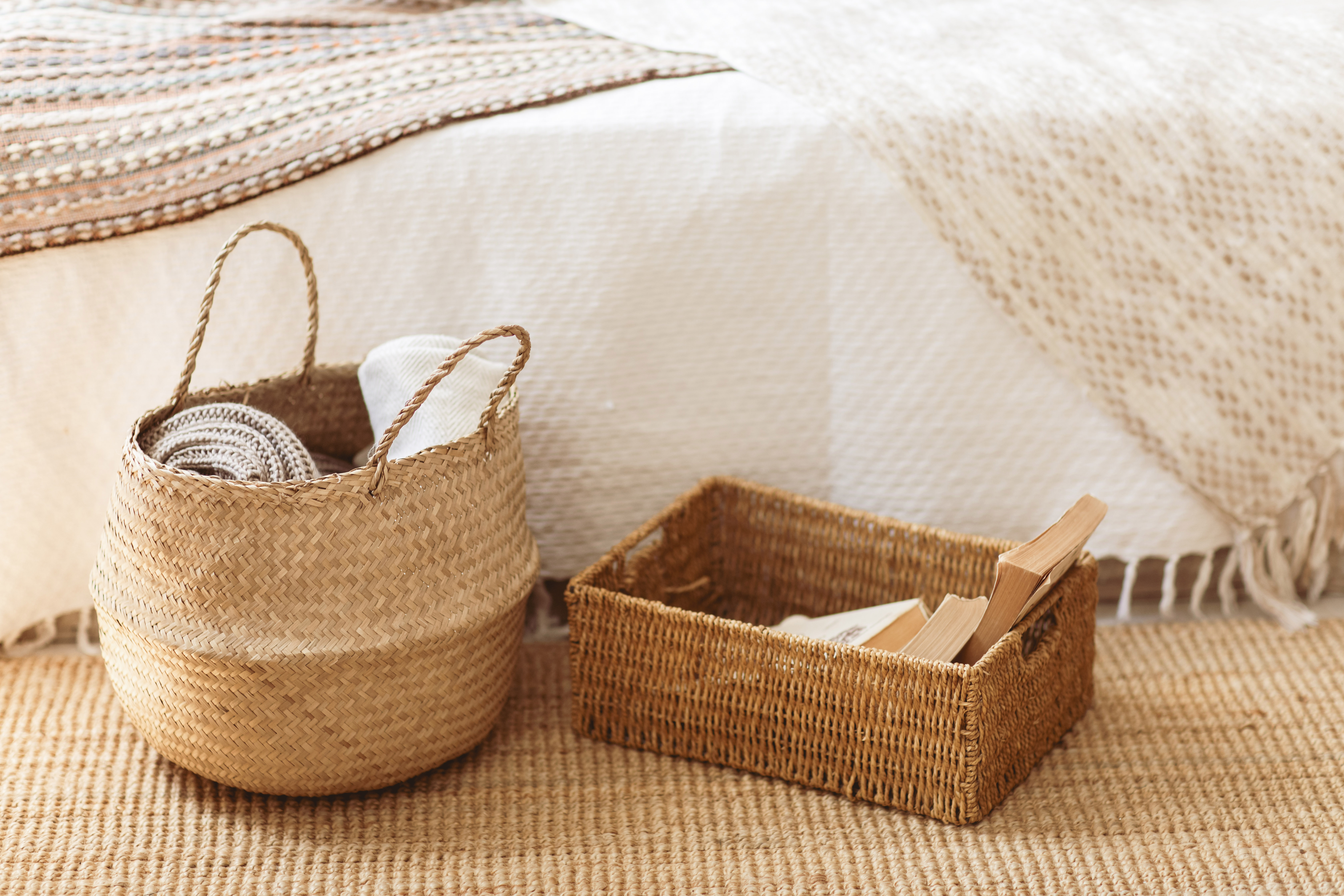
Baskets have always been a go-to storage solution, but that doesn’t mean they should be, insists interior stylist Alexis Woodbury Earman of The Woodbury Home. “Though they look cute, they aren’t very functional,” she explains. “I can’t stack the baskets, or easily label them so I can find my items quickly.” If you’re looking to corral something like toys or blankets, woven baskets may not be the best choice.
3. Asymmetrical shelving
If there’s one thing Amy Courtney, principal of her namesake design firm, begs you not to do, it’s opt for asymmetrical shelving: varying-sized openings make it “a challenge to find the right objects for each space, and you’re often left with large voids with the taller openings.” You’ll come to appreciate the practicality and simplicity of conventional shelving, and you can play with the modern, geometric lines elsewhere.
4. Built-ins
The question of maximizing storage is one of the toughest to answer, says Sheila Broderson, interior designer and design director for Safavieh. Though she agrees built-ins are often the logical solution, “not only are they costly, but you can’t take them with you if you move.” If you’re settling down into your forever home, that’s one thing, but Broderson insists that they might not be a good investment otherwise.
Her preference? Clever furniture. “I have used lots of fun storage ottomans, beds that lift up with storage underneath, and cabinets for kitchens, dining rooms, and bedrooms,” she explains. “Form and function are important, but style, great fabrics, and interesting textures, woods, metals, and marble keep it personal to each unique client.”
5. Open storage
Exposed cubbies, shelves, and cabinets look beautiful styled in photos, but even the most well-curated storage is powerless against real life. “You need to constantly keep them clutter-free, otherwise they’ll quickly become an eyesore,” insists Kshama Shah, founder of House of Design. “They can also swiftly turn into dust magnets, requiring frequent cleanings.”
Holly Heffinger, founder and lead designer of Heffinger Interiors, agrees, saying that in mudrooms, she likes to include a separate coat closet alongside built-in lockers. “Hiding the clutter makes for a more relaxed and refreshing start to each day,” she explains.
(Real Simple magazine provides smart, realistic solutions to everyday challenges. Online at www.realsimple.com.)
©2026 Dotdash Meredith. All rights reserved. Used with permission. Distributed by Tribune Content Agency, LLC.


























Comments