Denver is seeking more clean energy -- and shower water could be part of the solution
Published in News & Features
Heating a building with sewage isn’t as gross — or as stinky — as it sounds.
Leaders at Metro Water Recovery are pitching technology that siphons heat from warm wastewater — like the water that goes down the drain after a hot shower or after a dishwasher cycle — and uses the thermal energy to heat and cool buildings. That energy is an untapped source of clean power that is available across the city year-round, said Blair Wisdom, energy manager at Metro Water Recovery
The wastewater utility treats 130 million gallons a day at its main facility, which is enough liquid to fill nearly 200 Olympic-sized swimming pools. The wastewater’s heat — if captured entirely — could generate up to 300 megawatts of power, Wisdom said. That’s enough to power Denver International Airport more than six times over.
“That’s a sizable amount of energy,” Wisdom said.
The utility already uses sewage energy to heat and cool a small building on its own campus and hopes to spread the gospel about the technology. Metro Water Recovery staff have participated in numerous technical analyses around the city and state to see where it might fit, Wisdom said. Such technology makes the most sense in new developments or on campuses with relatively dense buildings.
The utility is working with Denver city leaders to explore the possibility of using wastewater’s thermal heat to power buildings downtown, including Ball Arena and the broader River Mile development. The city has a goal of eliminating greenhouse gas emissions by 2040.
Here’s how the process works: Warm wastewater from Metro Water Recovery’s 2.2 million customers across the Denver area travels through pipes toward the utility’s treatment facilities. If a building has a system to capture that heat, that water then enters a heat pump, which absorbs the thermal energy. The now-cooler wastewater continues its journey down the pipes to Metro Water Recovery, while the heat pump’s owner uses the captured energy to heat or cool buildings.
The U.S. Department of Energy estimates that if all the heat energy were captured off of the country’s wastewater, it would be enough to power 30 million homes.
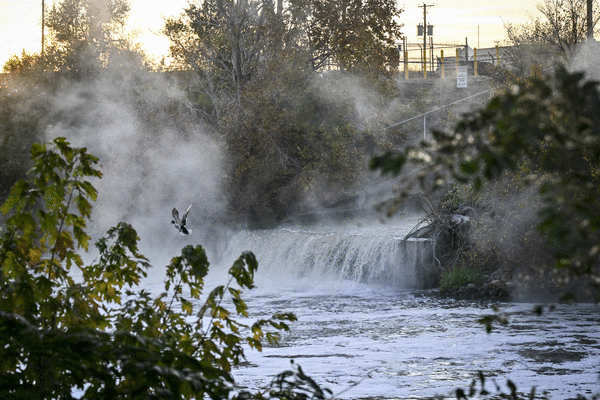
The transfer of more thermal energy from wastewater solves two problems for Metro: It provides renewable energy while simultaneously cooling sewage. The utility’s primary treatment plant in north Denver dumps treated water, called effluent, into the South Platte River. It needs to keep water relatively cool to avoid disrupting the river’s fish and ecosystems.
In the winter, the effluent from the facility near the interchange of Interstates 25 and 76 makes up nearly all of the flow in the river north of there, so the temperature is especially important then.
When Metro Water Recovery leaders pitch the concept, it helps that the country’s largest thermal energy recovery system sits just down the road from their campus.
Leaders at the National Western Center in northern Denver began contemplating capturing sewer heat in 2015 while creating the 250-acre campus’ master plan, said Steve Nalley, the center’s chief real estate officer.
The campus conveniently sits above major sewage pipes — including what were, before the buildout started, a troublesome set of 7-foot-tall pipes that ran above ground near the river. Community members had adamantly told campus planners that they wanted river access and an open space they could enjoy. Gigantic sewage pipes marred that dream.
National Western staff pondered what to do. Should they paint the pipes and call them art? Make them into an educational exhibit?
Instead, with help from Metro Water Recovery, workers buried the pipes underground and transformed them into a thermal heat collection system for building heating and cooling.
“Essentially, our energy provider for warm water is everybody else’s hot water tanks in their houses,” Nalley said. “People are dumping a lot of energy down their drains.”
So far, wastewater heats and cools six buildings on the campus. That number will grow as crews finish construction on more buildings. When complete, the facility will draw nearly 90% of its heating and cooling from the sewer pipeline.
The system not only reduces greenhouse gas emissions but is also insulated from fluctuations in fossil fuel prices.
“It makes the campus unique and special and could be a precedent for other large campuses elsewhere,” Nalley said.
_____
©2026 MediaNews Group, Inc. Visit at denverpost.com. Distributed by Tribune Content Agency, LLC.






Comments