Amazon tests 30-minute delivery close to home with North Seattle pilot
Published in Business News
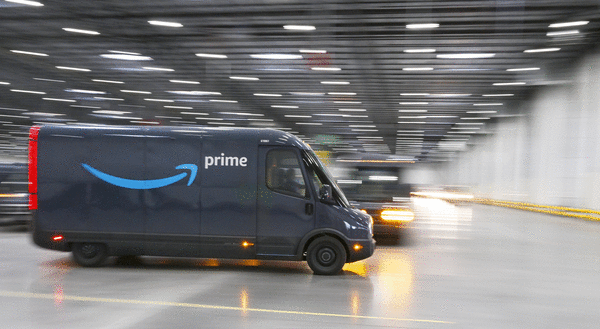
If two-day or even same-day delivery is too slow for you, a new feature from Amazon might have you covered.
The Seattle-based e-commerce giant on Monday launched Amazon Now, a delivery offering with a promise to deliver groceries and other household items in 30 minutes or less.
The program, touted by Amazon as ultrafast delivery, is the latest from the company and its quest for speed.
After delivery times stretched during the pandemic, Amazon regionalized its logistics network to help bring down the time between when an Amazon Prime member places an order and when it arrives on their doorstep. Part of this strategy was development of same-day delivery sites, which are smaller warehouses in metro areas that hold commonly bought goods.
The company now offers next-day, overnight and same-day delivery for Prime members, and boasts faster-than-ever delivery speeds each year. In February, Amazon said it delivered more than 9 billion items within a day in 2024.
Amazon is testing the program in certain areas of Seattle and Philadelphia, the company said.
The company didn't say which parts of Seattle would be eligible for Amazon Now, but customers can check the app or website and look for the 30-minute delivery option. If the service is in a customer's area, they'll be able to use it through the Amazon marketplace app or website.
Permit applications filed for a former Amazon Fresh Pickup site in Seattle's Ballard neighborhood show the hub for Amazon Now is likely to be based there.
One of the filings, first reported by GeekWire, says the location will run 24/7 with a small front-of-house area where drivers will pick up orders to deliver. Amazon will use Flex drivers for this location — gig workers who are not Amazon employees and deliver orders with their own vehicles.
Amazon employees will fulfill orders in a large back-of-house stockroom. Amazon said in the filing it expects about 240 deliveries from the store each day.
The move puts Amazon into direct competition with companies like Instacart and Uber, the latter of which delivers food and groceries through its Uber Eats service.
It also builds on Amazon's push to become a widely recognized grocery retailer with a robust delivery service.
The company has Amazon Fresh and Whole Foods grocery stores as part of its physical presence. Amazon also has convenience stores and once operated bookstores. But the brick-and-mortar side of Amazon's retail business has been topsy-turvy.
A few years after purchasing Whole Foods in 2017 for $13.7 billion, the company rolled out its Fresh stores with a selection that more closely resembled a QFC than a Whole Foods.
At first, the Fresh stores were injected with Amazon's tech, including the Just Walk Out feature that allowed customers to skip the checkout. But in 2023, the company tinkered with the format by slowing down expansion, closing stores and renovating others to remove some of the impersonal vibes stemming from the vast amounts of tech on display.
Amazon is also ramping up delivery for everyday items like fresh produce, diapers, toothpaste and over-the-counter medicine.
During an earnings call in October after Amazon released financial results, Mark Mahaney, an analyst with Evercore ISI, asked Amazon CEO Andy Jassy whether the company believed it could really change people's habits and consider Amazon as their first grocery option.
Jassy said that the company's grocery business, not counting the physical stores, is growing fast and brought in over $100 billion in gross sales over the past year, which would make us a top-three grocery in the U.S.
Delivery fees for Amazon Now will run Prime members $3.99 per order while fees for non-Prime customers will be $13.99. A small basket fee of $1.99 will apply for orders under $15.
©2025 The Seattle Times. Visit seattletimes.com. Distributed by Tribune Content Agency, LLC.











Comments