Psychological toll of betrayal trauma may help explain why women kept silent for decades after alleged abuse by civil rights icon Cesar Chavez
Published in Political News
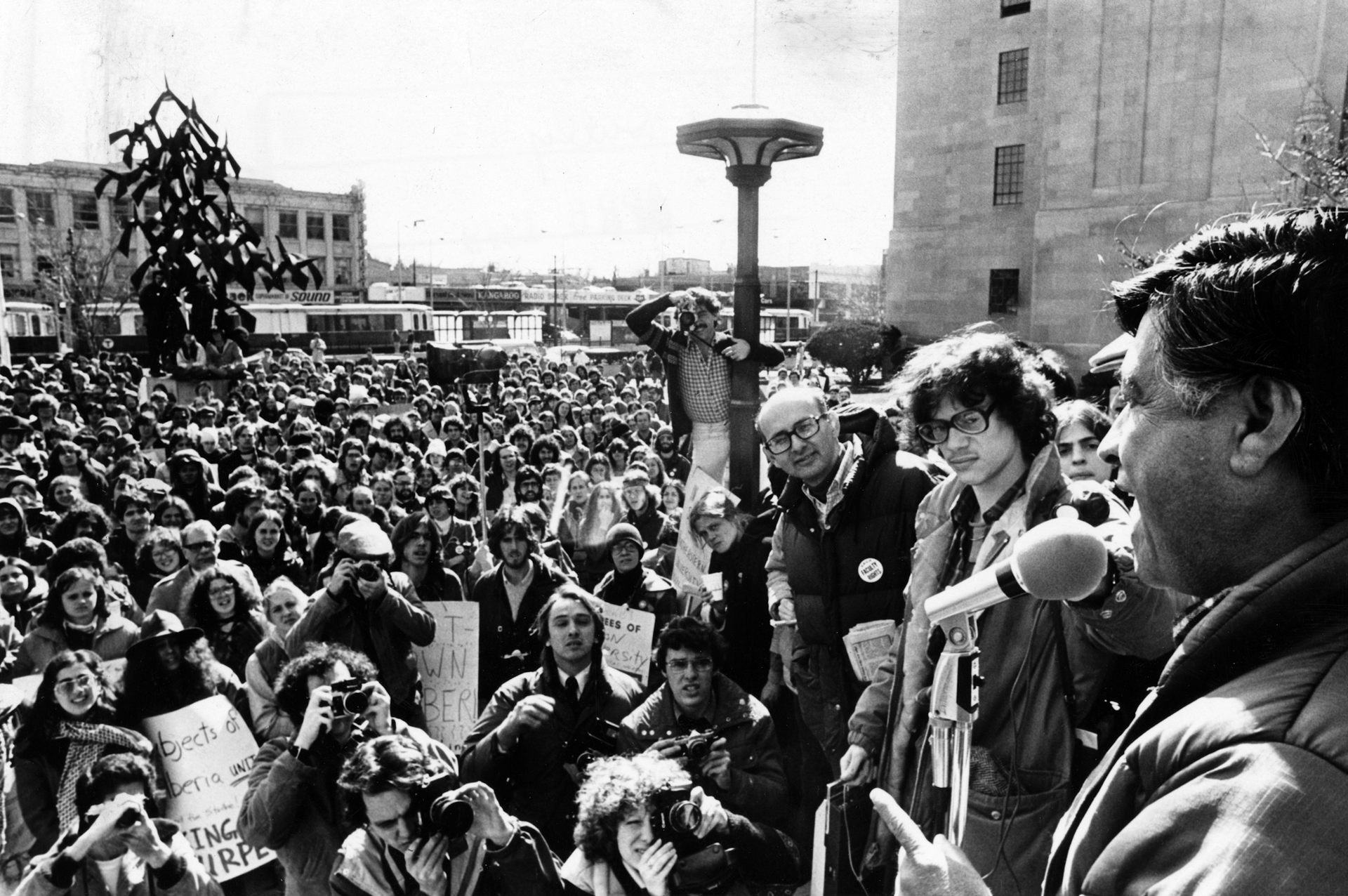
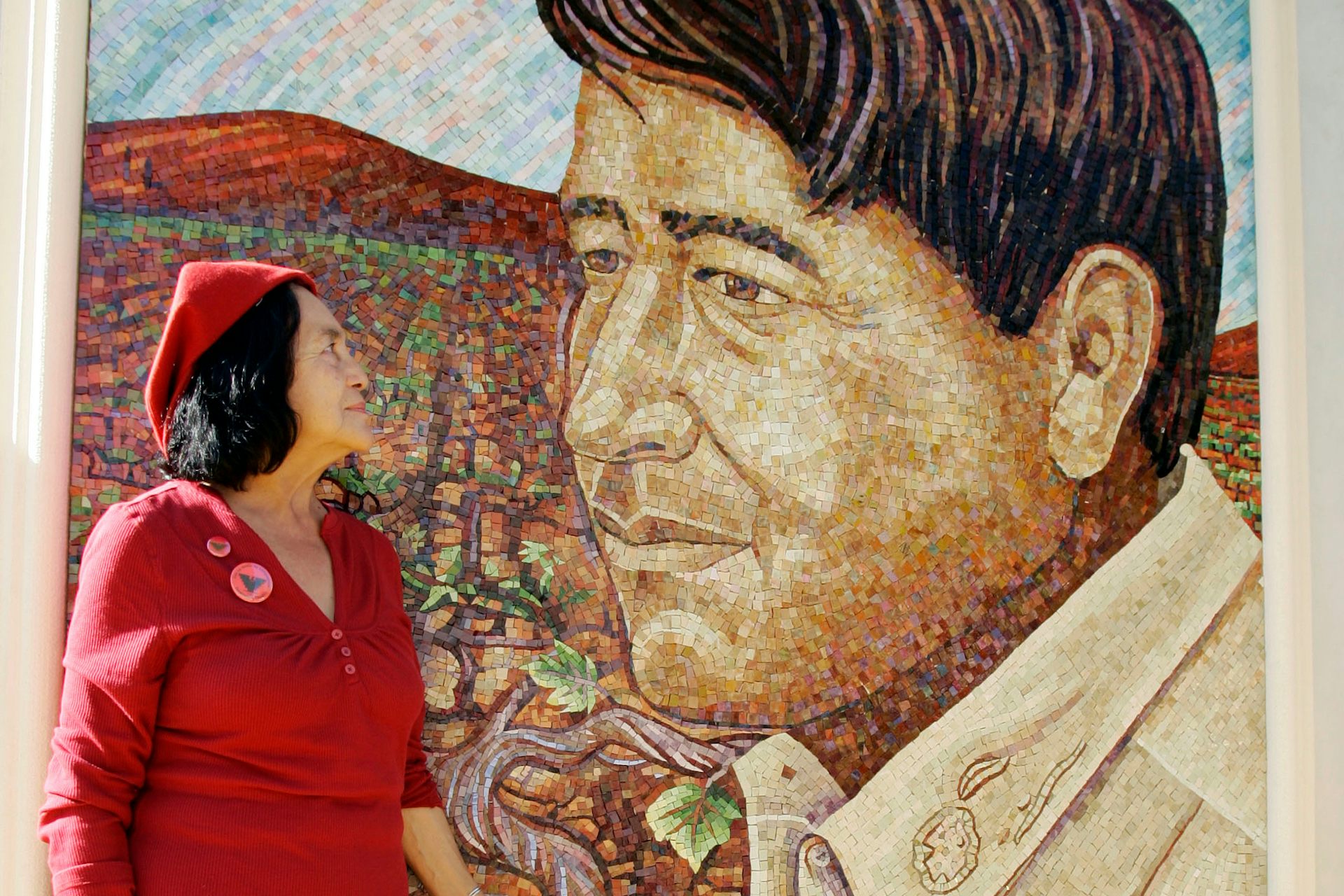
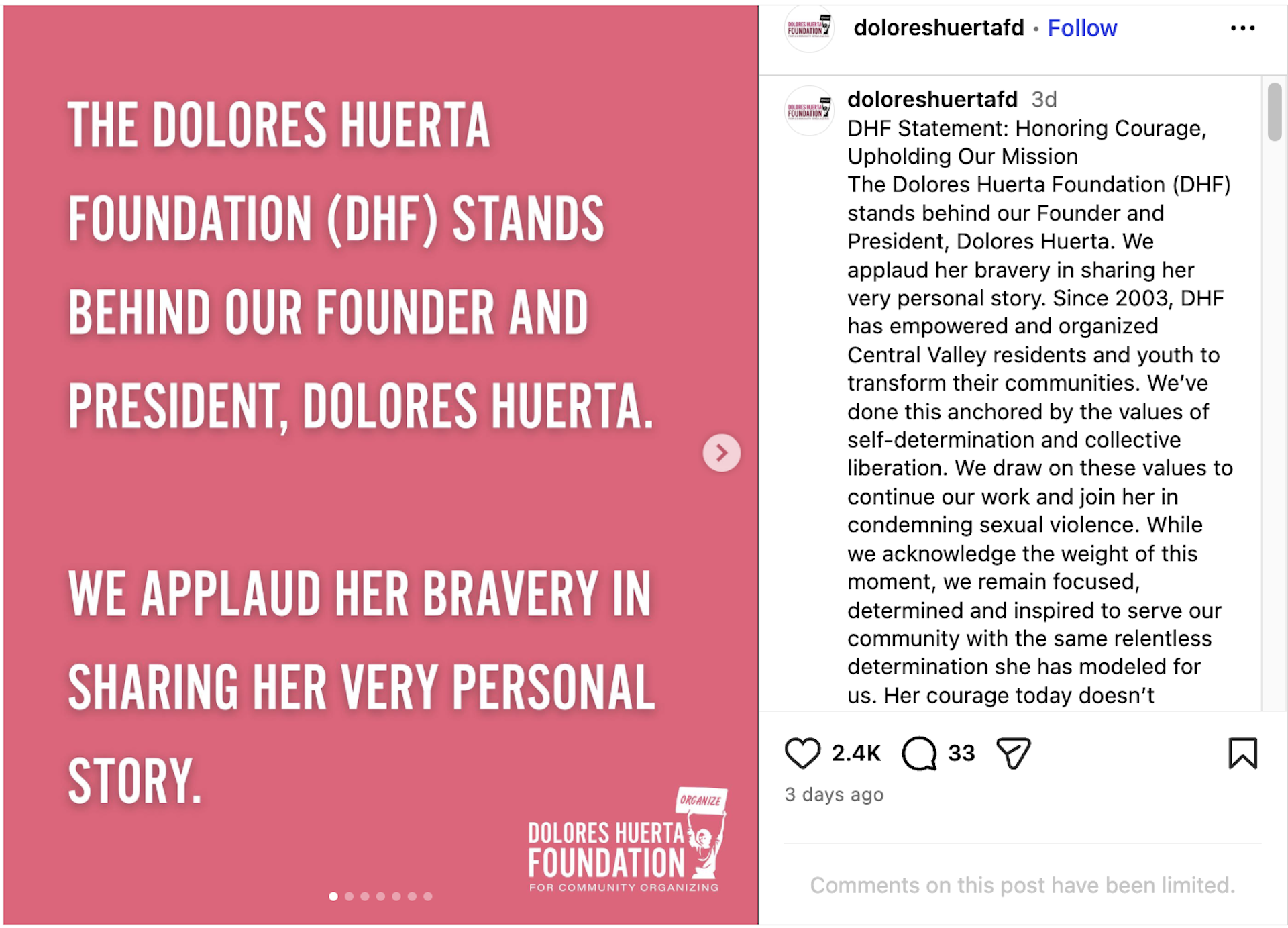


Multiple women told The New York Times that Mexican American civil rights hero Cesar Chavez assaulted them decades ago, including when some were just girls, one as young as 13. Over their multiyear investigation, published on March 18, 2026, journalists at the paper found “extensive evidence” of that abuse by poring over historical records and conducting interviews with more than 60 people.
While yearslong investigations into abuse allegations are rare, silence about abuse is common.
As a clinical psychologist who studies interpersonal trauma, I’ve seen how the dynamics of abuse can lead to silence, even over decades.
This research can help answer the question many asked when they heard about the charges against Chavez: Why didn’t the women speak earlier?
Among the women who disclosed abuse by Chavez, Dolores Huerta described seeing him “as my boss, as my hero, as, you know, somebody that would do the impossible.” Debra Rojas said, “I had love for him … He did his grooming very well.”
When perpetrators abuse those who trust and depend on them, the betrayal adds to the harm of trauma. Betrayal trauma theory helps explain why.
Victims who depend on the people abusing them face extraordinary pressure to minimize what is happening. Disclosure can mean losing relationships or resources that are necessary for survival. Children abused by caregivers or community leaders risk relationships that they need to get their basic needs met. Adults who disclose abuse or harassment by employers risk losing their jobs and economic security.
Adding to the harm of abuse, perpetrators commonly twist reality to keep victims silent. They might directly instruct victims not to tell others what happened. They might also tell victims that they are actually the ones to blame for causing the abuse or that no one will believe them.
Victims must adapt to this untenable situation in which they depend on the very people causing harm.
For some people, betrayal results in dissociation symptoms and memory impairment for what happened. Dissociation is a common response to traumatic stress that can include amnesia, feelings that things are unreal or feeling disconnected from what is happening. Dissociation and memory impairment can help victims maintain necessary attachments in the short run.
Betrayal also contributes to more shame and self-blame, as well as more severe psychological and physical health problems.
Shame and self-blame can make it harder to disclose what happened. Not surprising, then, victims of high-betrayal traumas are less likely to disclose what happened relative to other kinds of traumas.
When betrayal-trauma survivors do speak up, delayed disclosures can be met with blame or disbelief, even from health providers. Survivors with more severe psychological symptoms are also met with more negative reactions to their disclosures.
Betrayal also makes escaping abusive relationships, including physically violent ones, difficult. Greater dependence on the perpetrator has been linked with a greater likelihood of staying with an abusive partner a year after a police report of domestic violence.
Women told The New York Times that they stayed silent about their abuse, which for some began when they were girls, in part “for fear of tarnishing the image of a man who has become the face of the Latino civil rights movement.”
When people in marginalized groups are abused by someone from the same group, that constitutes an additional wound. Dr. Jennifer Gómez described this as “cultural betrayal trauma.”
With cultural betrayal trauma comes even greater pressure to stay silent as well as greater harm from the abuse.
When institutions such as churches, schools or unions fail to stop abuse or respond appropriately, that institutional betrayal can also add to the harm caused by the original abuse. In turn, institutional betrayal predicts greater dissociation and health problems, adding to the burden of abuse.
Ana Murguia told The New York Times that she believed she would be blamed for the abuse.
Huerta, who was one of three co-founders, along with Chavez, of what ultimately became the United Farm Workers union, told the newspaper that she “feared that no one within the union would believe her.”
Anticipating disbelief and blame affects decisions to disclose. When researchers asked college women who were sexually victimized at some point in their lives why they kept what happened to themselves, they heard four common reasons. Women kept assaults private because they felt shame, guilt or embarrassment, minimized what happened, feared consequences of disclosing or wanted privacy.
Fears about negative reactions are unfortunately well founded. Research shows that when victims do disclose, victim blaming and other negative reactions are common. In turn, those negative social reactions add to psychological distress and the harm of abuse.
In the wake of the harm that betrayal trauma causes, healing is possible through connection and care.
Research shows that people can learn to respond in better ways to disclosures of abuse, such as connecting people to resources and expressing empathy. In addition, institutions that act with courage in the wake of abuse, such as by making it easy to report or taking actions to prevent future abuse, can help reduce harm to survivors.
When survivors disclose, avoiding blame, disbelief and other negative reactions can minimize additional harm. Taking steps to offer emotional support and resources can even help open doors.
That’s what my research team found when we asked sexual assault survivors about the reactions they received from service providers, such as counselors or victim advocates. When survivors received more tangible support, they were more likely to later disclose what happened in a formal report to the police.
This article is republished from The Conversation, a nonprofit, independent news organization bringing you facts and trustworthy analysis to help you make sense of our complex world. It was written by: Anne P. DePrince, University of Denver
Read more:
Weinstein trial begs a question: Why is the pain of women and minorities often ignored?
Don’t make intimate violence victims look for help – research shows they fare better when police and community organizations coordinate assistance
People abused by intimate partners have worse asthma – but researchers are still untangling the reasons behind this surprising link
Anne P. DePrince has received funding from the Department of Justice, National Institutes of Health, State of Colorado, and University of Denver. She has received honoraria for giving presentations and has been paid as a consultant. She has a book with Oxford University Press. She is an Advisory Group Member of the National Crime Victim Law Institute and a Senior Advisor to the Center for Institutional Courage.












































Comments