Commentary: I found out my dementia risk because of my own advocacy. Black families need to reclaim agency
Published in Op Eds

My mother, Terrie Montgomery, was always organized, outspoken and deeply involved in our community. When she started repeating purchases and struggling to keep track of details, it took us months to name what was happening.
In Black families, many of us learn to push through difficulties and handle things privately, which means we might postpone or avoid conversations about changes in memory with an elder we love and respect. But delaying conversations does not protect our loved ones, especially in a health care system that too often delays or minimizes brain health concerns.
My mother’s neurologist now believes she is living with early-onset Alzheimer’s, but that diagnosis comes after years of differing medical opinions and fragmented care that prevented us from acting early.
I did not learn to talk about brain health from a doctor’s office. I learned it at my kitchen table. Navigating my mother’s convoluted health journey gave me the growing realization that waiting to address my own brain health could also cost me time and limit my options.
I knew that dementia ran in both sides of my family and that, as an African American woman, I had a higher risk. I could either avoid the conversation and hope for the best or do something many people in our communities are discouraged from doing: Ask questions early and insist on being taken seriously.
At 51, I chose to pursue genetic testing to see if I carried risk factors associated with dementia. When I asked my primary care doctor about APOE-4 genetic testing to understand my risk, his partner told me I was “too young” to worry about brain health. I demanded a referral to a neurologist who would take my concerns seriously.
The neurologist explained that they could not order genetic testing — only neurological evaluations, which would mean a three-month wait. I decided to take the APOE-4 test on my own, and it confirmed a genetic link to Alzheimer’s disease.
At the same time, my primary care doctor and gynecologist suggested my symptoms — brain fog, fatigue and cognitive changes — were caused by menopause. But I trusted my instincts. My neurologist ordered MRIs and neuropsychological testing, which showed cognitive decline.
When I received this news, I thought first about my family, then about myself, and made a decision: I am not leaving this world without a fight.
Because I acted early, I am now receiving neurofeedback therapy to strengthen the areas of my brain that need support, and I take control of my health through proven lifestyle interventions: improving my diet, getting good exercise and continuing to monitor my health. Rather than taking away my life, learning about my genetics gave me options.
Too often, the health care system handles brain health only in terms of late-stage crisis care. Alzheimer’s and other dementia conditions are only something we are taught to handle once we are already failing. But brain health should be proactive. When families recognize early warning signs, pursue timely testing and advocate for accurate diagnosis, we can help preserve independence, dignity and time together.
For Black families, the stakes are high. We are twice as likely as white Americans to develop Alzheimer’s and other dementia conditions, yet we face more barriers to receiving clear information and care that addresses our needs. As my diagnostic experience illustrates, many of us are told that memory changes are normal aging and that pushing for answers is unnecessary. On the contrary, asking for answers is responsible and empowers us to live the healthiest life possible.
My mother says, “Just because I have dementia doesn’t mean dementia has me.” Her positivity and my own journey have both helped me learn that early conversations do not steal hope. They create it.
When families talk openly about brain health — around kitchen tables, in churches and in doctors’ offices — we replace fear with preparation. We move from reacting to crises to fighting against decline. Small, everyday choices — how we move, eat, sleep and talk with our doctors — help protect brain health.
Progress begins when families speak up and stay engaged. If you notice changes in memory, trust what you see and start the conversation. Encourage your families and communities to talk openly about brain health and seek help early.
When we advocate for ourselves and one another, we move closer to a future in which earlier answers, better care and longer, fuller lives are possible.
____
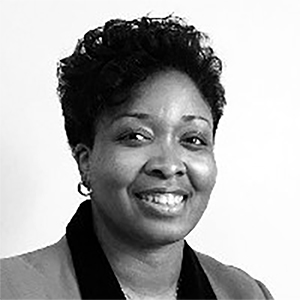
Shon Lowe, a Chicago-area resident, is a patient advocate and caregiver to her mother, Terrie Montgomery, a longtime advocate who lives with frontotemporal dementia.
___
©2026 Chicago Tribune. Visit at chicagotribune.com. Distributed by Tribune Content Agency, LLC.













































Comments