Allison Schrager: Mamdani's New York is flirting with fiscal nihilism
Published in Op Eds
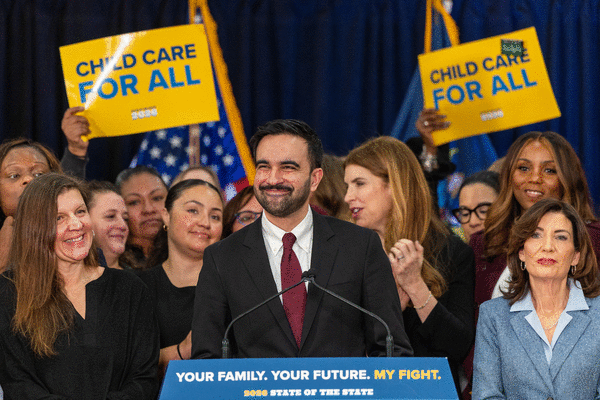
France is great. I visit a few times a year, and the food is fantastic, the museums are amazing, and the day care is free (or heavily subsidized) starting at 3 months old. New York City, where I live, is also great, with pretty good food and architecture. The day care, not so much.
Of course that French day care comes at a steep price. The French — even the middle class — pay much more in taxes. According to the OECD, the average single earner pays 28% of their income in taxes, compared to 24% in the U.S. And that does not include the large consumption taxes Europeans pay.
Now New York’s mayor wants the city to provide free child-care starting at six weeks, among other free services. He has also promised New Yorkers someone else would pay for it: their rich neighbors. Last week reality caught up with these plans. If Mayor Zohran Mamdani can’t get the tax increases he wants on high earners and corporations, all New Yorkers will need to pay — in the form of higher property taxes now and, later, a bailout of the pension and health-care funds he plans to raid.
There is a lot to criticize here. The tax on high earners is poorly structured and raises the rate to such a level that it may cause serious economic damage. New York City already spends a fortune on its residents, and provides subpar services. With its existing obligations and variable tax revenue, increasing the budget another 9% is certainly imprudent, to put it mildly.
And yet — even though I am a property owner in New York City, wouldn’t be subject to the millionaire tax, and am kept up at night by the underfunded pensions — part of me hopes this tax comes to pass. Voters elected someone who promised to expand the services the city offers. If they want that, we should all pay for it.
It is not just New York that is flirting with fiscal nihilism. Polls reveal U.S. voters want two things: higher taxes on the wealthy and more entitlements. In other words, free stuff someone else pays for.
To a degree, this is understandable; this is the richest society in the world. America should provide people with a minimum standard of living. And wealthier people are better positioned to pay a higher tax, even if they already pay a very large share of taxes, and there is only so much more you can tax them. A large welfare state can be justified because it reflects how much we, as a society, value security over growth, the collective good over individual flourishment.
Personally, I would prefer a smaller government, but reasonable people can disagree. Striking the right balance, however, requires that the costs and benefits be widely understood and broadly felt. Europe made its choice, opting for higher taxes for all and a lower standard of living in exchange for more security.
My concern is that Americans do not internalize these trade-offs. I have always used three criteria when judging how good a tax is: efficiency (does not create distortions), progressivity (collects more from those who have more) and feasibility (relatively easy to collect). Now I am adding salience to my list: that is, whether people understand the taxes they are paying and what they get for them.
FDR had the same idea when he created Social Security, which is why the program is funded through payroll taxes on everyone. People would feel more connected, he reasoned, to a program they paid into.
Today salience is the last thing any politician wants from a tax. Almost everyone (except maybe Warren Buffett and Mitt Romney) already thinks they pay too much in taxes. Directly increasing taxes on anyone who makes less than $400,000 has become a political non-starter. Politicians have become addicted to promising more benefits — tax credits, health-care subsidies, now child care — that someone else pays for. Often the middle class ends up paying anyway. The cost of corporate taxes, for example, are largely borne by workers, but most people don’t realize why their wages are lower.
As long as the taxes we pay are disconnected, there is no scope for fiscal discipline, let alone accountability for what we are already spending.
Odds are, you should be paying more. We all should — if we want our government to make good on its promises to pensioners, bondholders and the new and ever-growing population of beneficiaries. New Yorkers are starting to have productive discussions about how much the city is already spending on schools, health benefits and all sorts of other things, and the impetus was the threat of higher property taxes. Imagine what the conversation would be like if we actually had to pay them.
____
This column reflects the personal views of the author and does not necessarily reflect the opinion of the editorial board or Bloomberg LP and its owners.
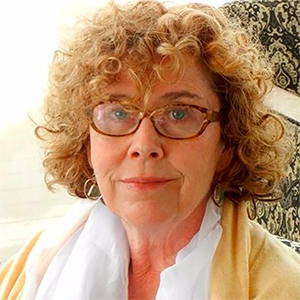
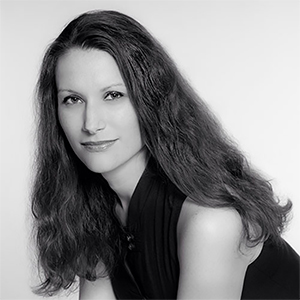
Allison Schrager is a Bloomberg Opinion columnist covering economics. A senior fellow at the Manhattan Institute, she is author of “An Economist Walks Into a Brothel: And Other Unexpected Places to Understand Risk.”
©2026 Bloomberg L.P. Visit bloomberg.com/opinion. Distributed by Tribune Content Agency, LLC.






Comments