Allison Schrager: Musk is wrong about AI and retirement -- You still need to save
Published in Op Eds
Put me down as an AI optimist. Artificial intelligence has the potential to transform the economy and make Americans richer, healthier and more productive. I’d bet money on it — in fact I have, through the shares I own in an index fund, which means I am long the U.S. economy.
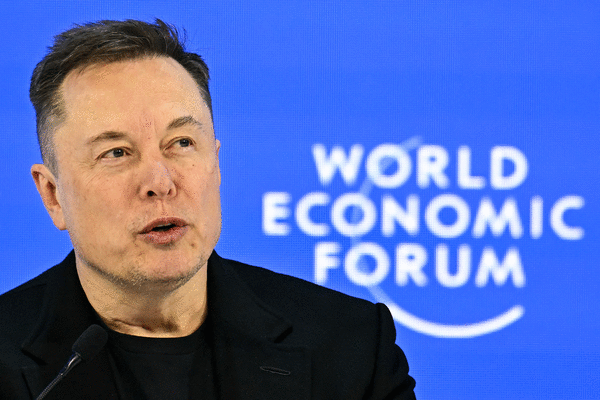
That said, there are certain things not even AI can do, and one of them is suspending the basic laws of economics. Elon Musk recently predicted that AI will create such abundance that in a decade or two, people won’t need to bother saving for retirement. Feel free to check my answer with your favorite AI, but: Don’t count on it.
There are two optimistic and probable scenarios for the future of the AI-powered economy. One is that AI behaves like other innovations — that is, it makes people more productive in the same way as other major innovations of the past, such as railroads, the telegraph or electricity. These innovations powered the economy and transformed work and life, yet they did not result in an abrupt increase in growth, which averaged just under 2% between 1850 and 1929. The effects of these innovations were diffuse, and as they spread through the economy, they made other innovations possible.
Under this scenario, markets will continue to go up — but probably not enough to compensate for Americans’ lack of saving. So they will still need to pay for their retirement, especially health and homecare, which will still involve people whose labor will cost money.
The second optimistic and likely scenario is that AI is not like past innovations — that it will transform people’s lives like nothing that has come before it. AI could be different because it has the potential to improve the speed of innovation; it can even do the innovation itself. If so, there could be productivity improvements in all sectors of the economy, as machines do tasks that used to be time-consuming and expensive.
Even in this case, however, people still need to save for retirement. Take a best-case scenario: AI finds a cure for cancer. That means people will live longer — and will need money for more years in retirement. Perhaps they will employ robots to care for them, but growing old with robot companions sounds pretty grim. Socialization is critical to living well and maintaining cognitive abilities. I for one am skeptical that even the best AI-powered robot nurse will overcome the need for human connection. In this AI-is-exceptional scenario, the wages of people who can do non-AI tasks, such as caretakers, will probably increase.
The good news is that, in this scenario as in the previous one, the market would also perform well. That’s why this scenario also offers the government the best chance for paying off its debt without cutting entitlements: As the economy grows faster, so do tax revenues.
There are less optimistic scenarios, too. It’s possible that AI will not change the economy that much — that it will be a useful tool, but (like the internet) will not improve productivity very much right away. In this case, all the data centers don’t pay off, growth expectations are not realized, and the market falls and doesn’t recover for years. The government will collect less tax revenue and have to reckon with its debt and entitlement obligations. Under this scenario, the need for saving is obvious.
There are far less likely, far more apocalyptic scenarios. What if AI kills us all? In that case Musk would be right: no need to save for retirement. But I don’t think this is what he had in mind. And it’s certainly not a possibility that should dictate anyone’s retirement strategy.
As an optimist, I am expecting something between the first and second scenarios. AI may well cause financial bubbles and disruptions, but it will leave humanity and the economy better off. No one knows for sure, of course, not even Elon Musk, and that’s exactly the point: The purpose of saving and investing is to hedge against an uncertain future. And even if the best possible future materializes, people still need to save for retirement.
_____
This column reflects the personal views of the author and does not necessarily reflect the opinion of the editorial board or Bloomberg LP and its owners.
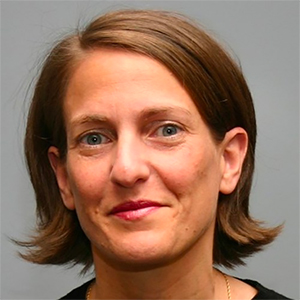
Allison Schrager is a Bloomberg Opinion columnist covering economics. A senior fellow at the Manhattan Institute, she is author of “An Economist Walks Into a Brothel: And Other Unexpected Places to Understand Risk.”
_____
©2026 Bloomberg L.P. Visit bloomberg.com/opinion. Distributed by Tribune Content Agency, LLC.




































Comments