Abbott spent 12 years neglecting Texas air pollution – a new governor can start cleaning it up
Published in Science & Technology News
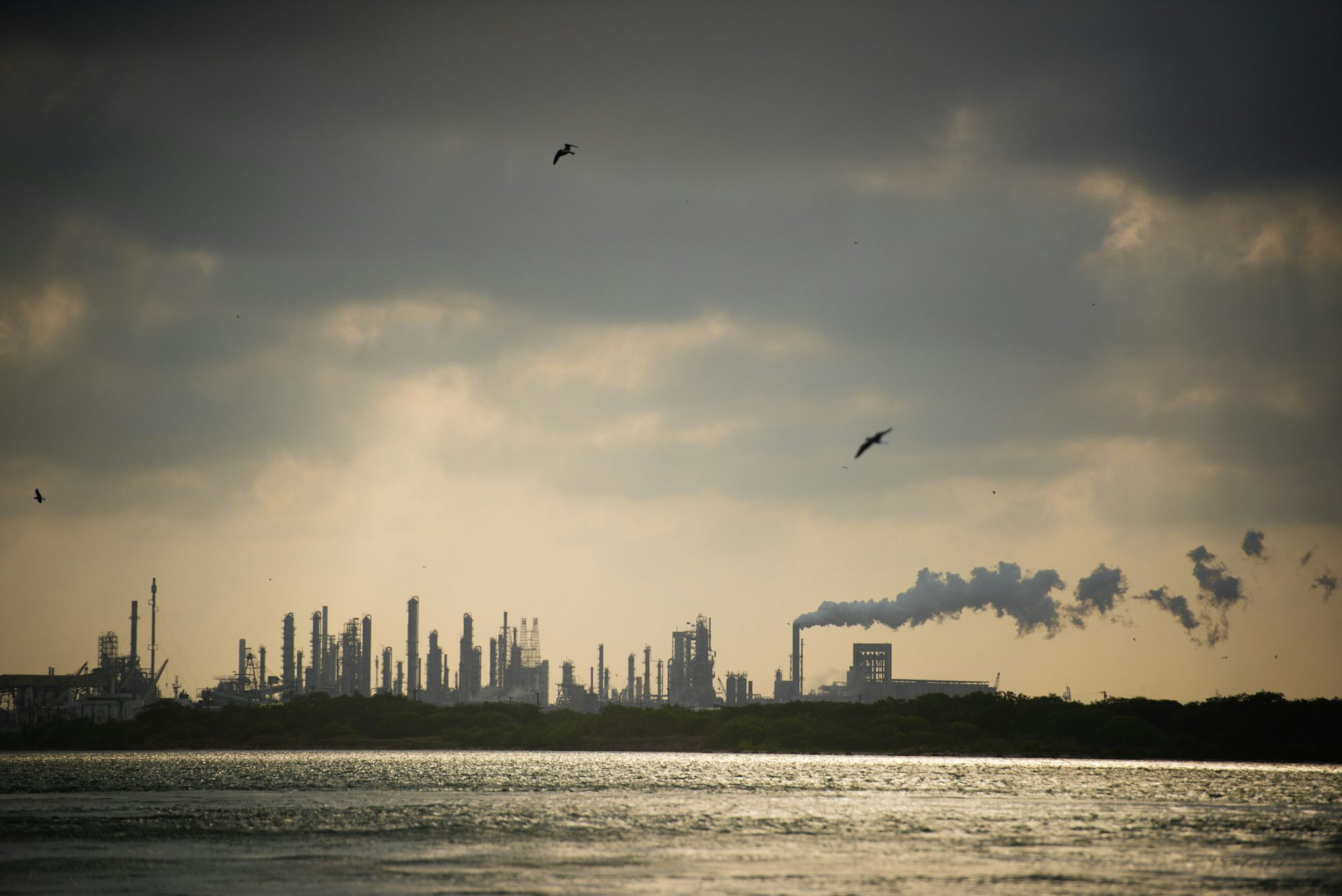
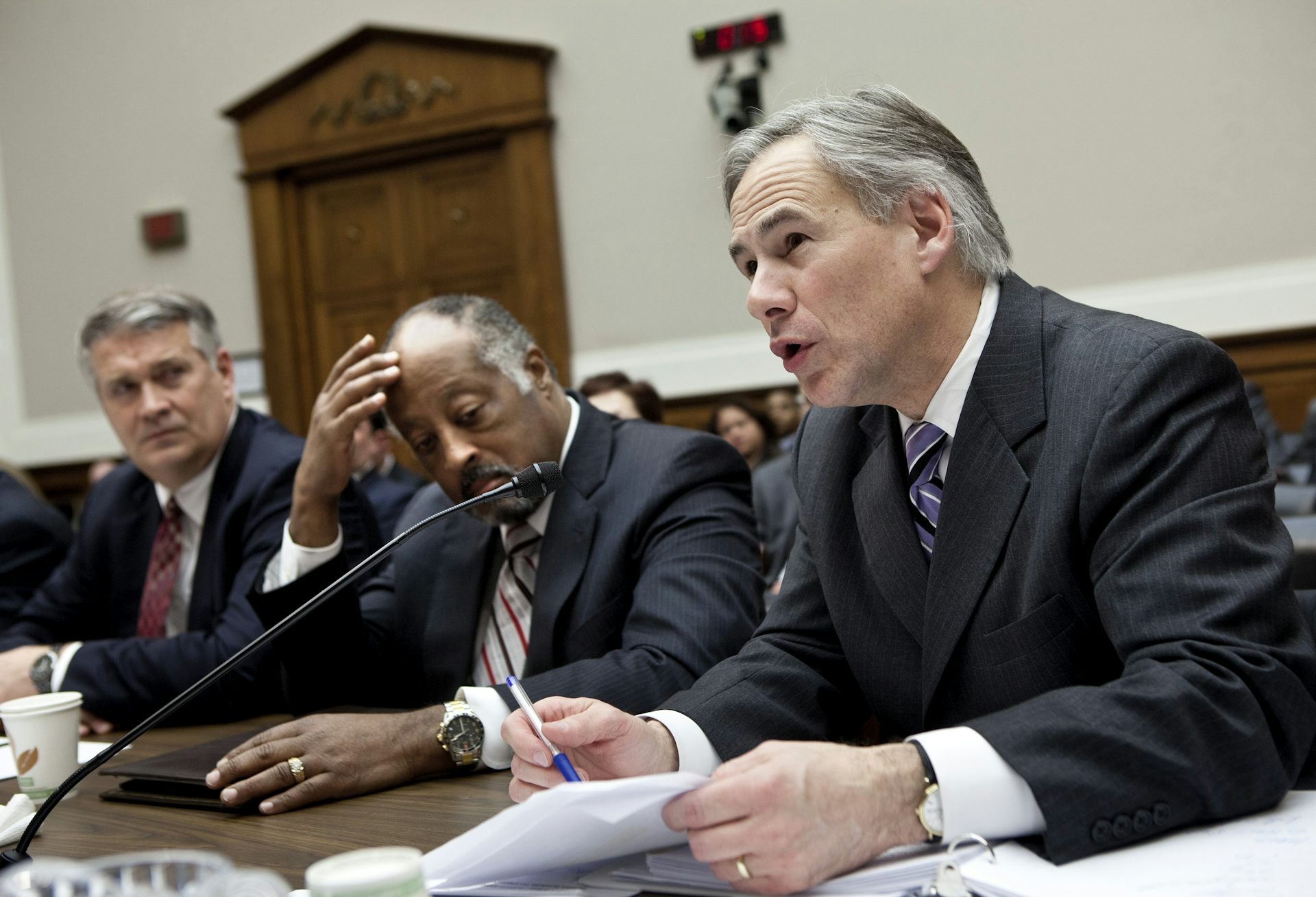

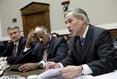

When air quality monitors in 10 Texas counties showed soot above the new federal health limit in 2024, Gov. Greg Abbott faced a choice. He could direct the Texas Commission on Environmental Quality to develop plans to cut air pollution in all 10. Or he could heed the agency’s advice: blame six counties’ pollution mostly on sources beyond Texas, and clean up just four.
Abbott chose neither. Weeks after President Donald Trump returned to office in 2025, the governor asked the U.S. Environmental Protection Agency to declare the entire state in compliance with the federal standard for fine particulate matter, known as PM2.5. If the EPA agreed, Texas would skirt the need to write a plan to control the deadliest air pollutant.
As an atmospheric scientist, I was stunned. I had seen Texas and other states do too little to control air pollution for years. But I hadn’t imagined a governor would override his own regulators to avoid making a plan altogether.
Texas air pollution had declined for decades, but during Abbott’s 12 years in office, progress in reducing PM2.5 and ozone smog largely stalled.
Now, the election of Democratic state Rep. Gina Hinojosa to succeed Abbott in January 2027 offers a chance to get Texas pollution trending downward again.
Hinojosa has a history of supporting efforts to clean up pollution, including a climate plan proposed in 2021 to cut emissions. But progress won’t come easily. Abbott’s appointees still run the Texas Commission on Environmental Quality, and Republicans still control the state Senate.
PM2.5 is tiny, with diameters of 2.5 microns or less, so it can be inhaled deep into the lungs and enter the bloodstream. Exposure has been linked to heart attacks, strokes, respiratory problems and many other ailments.
Some PM2.5 is emitted directly as particles, such as in diesel exhaust and wildfire smoke. Other particles form in the atmosphere from sulfur dioxide, nitrogen oxides and hydrocarbon gases emitted by power plants, vehicles and other sources.
Abbott’s dodge of PM2.5 standards fit a pattern of going easy on polluters.
Houston and Dallas have missed deadline after deadline to meet federal ozone standards. State regulators blame much of the smog on foreign sources. This fall, Abbott persuaded the Trump administration to reconsider how severely the two regions’ smog is classified, a step that could loosen the pollution controls required there.
Under Abbott, state regulators have also rarely cracked down on unauthorized pollution releases. Of 21,769 such events reported by refineries, chemical plants and other facilities over six years, they classified fewer than 1% as “excessive,” the designation that requires a company to fix the problem.
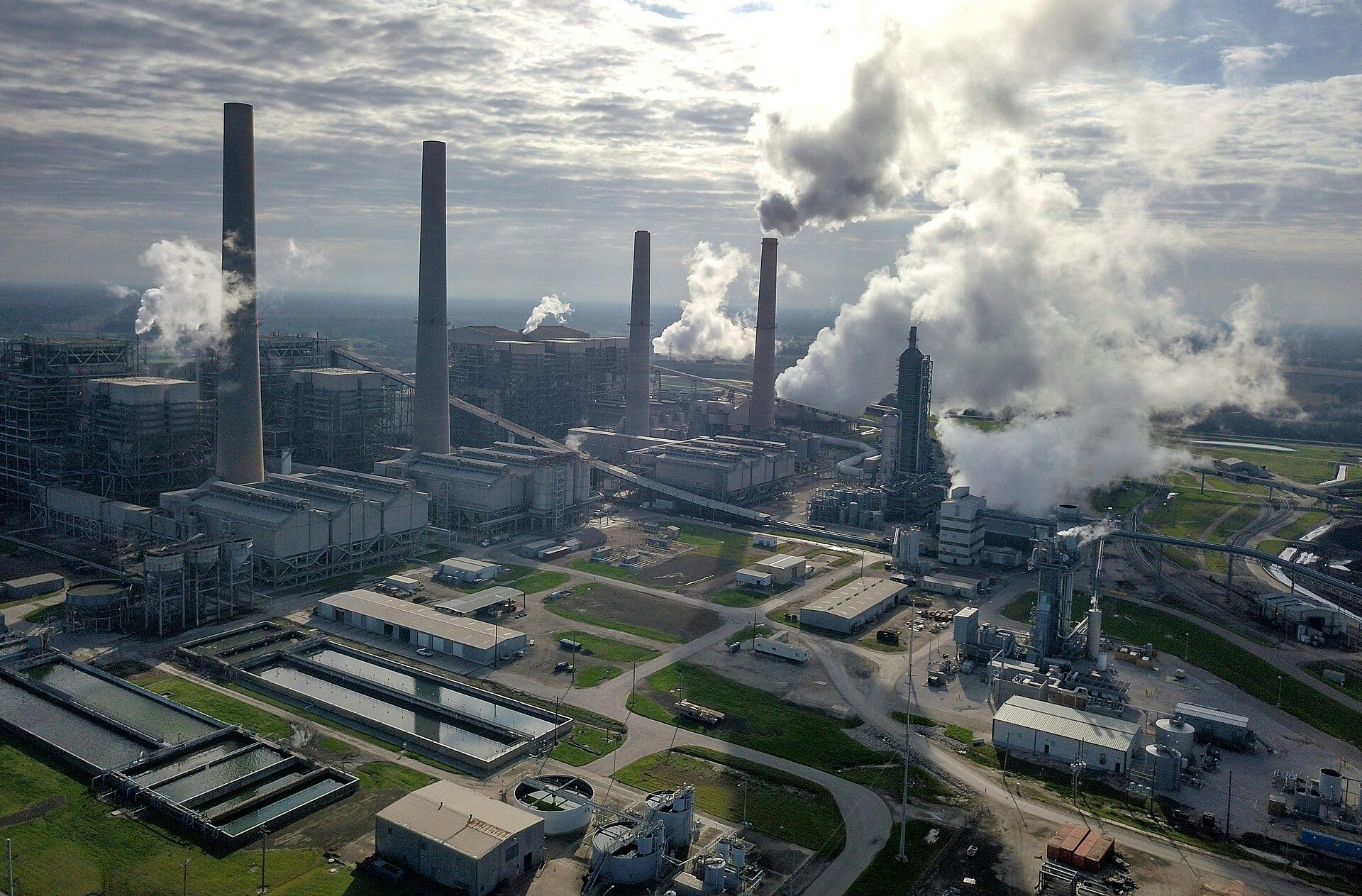
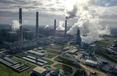
Texas’ coal power plants emit more sulfur dioxide than any other state’s. That gas forms sulfate particles, a major ingredient of PM2.5 and haze. Federal rules have required new coal plants to install scrubbers, which remove sulfur dioxide from smokestack gases, since 1979. But older plants were exempted, and several in Texas still run without them.
A 2016 Obama administration plan to reduce Texas’ haze and a narrower Biden administration proposal in 2023 would have required several plants to install or upgrade scrubbers. In 2025 the Trump administration accepted Texas’ own haze plans, which required no new scrubbers. Critics of the federal plans had warned that some plants would close instead because of the cost, reducing electricity supplies.
But scrubbers are a long-established technology, and their health benefits dwarf their costs. When I worked at Georgia’s environmental agency in the mid-2000s, we negotiated a timetable for Georgia Power to install scrubbers and retire outdated plants. Atlanta’s PM2.5 levels fell about 40% over the next decade, and the lights stayed on just fine.
Research by my group at Rice University has found that PM2.5 from Texas coal plants, formed mostly from their sulfur dioxide, kills hundreds of people a year. Wind and solar power or geothermal energy could replace their output, with batteries filling in when winds are slow and sunshine weak.
No polluter has benefited more from Abbott’s neglect than the W.A. Parish power plant, whose smokestacks loom over my hikes at Brazos Bend State Park southwest of Houston.
Three of its four coal units have no scrubbers at all. Parish emitted three times as much sulfur dioxide as all other facilities in the Houston region combined in 2024. Our modeling linked its pollution to 177 deaths a year. Since sulfate, which forms from sulfur dioxide, is the second-largest ingredient in Houston’s PM2.5, any serious cleanup plan would have to tackle Parish.
Hinojosa’s first test will come within weeks of her inauguration, when the U.S. EPA faces a court-ordered deadline to announce which counties violate its PM2.5 standard.
The number of Texas counties exceeding the limit is now at 14. Wildfire smoke and other exceptional events may explain some of the problem, but most of those counties need plans to cut the local emissions driving their PM2.5 levels.
Hinojosa can withdraw Abbott’s zero-county request and ask the EPA to designate counties as failing to meet the standard where the data warrants it, triggering a need to write cleanup plans.
In my view, those plans should start with overdue controls on emissions at the dirtiest coal plants. The state also needs to cut pollution from refineries, chemical plants, industrial flares and ports to meet the standards. Expanding grants to replace old diesel engines would cut soot and smog.
Better plans would include more monitors. Many counties, including Fort Bend, Texas’ eighth-most-populous county and home to Parish, don’t have a single PM2.5 monitor. Others don’t measure what their PM2.5 is made of. Because PM2.5 is a stew of carbon, sulfate, nitrate, ammonium, dust and other compounds, knowing the mix is key to controlling it cost-effectively.
Abbott spent 12 years explaining away Texas’ dirty air. A new governor can finally clear it.
This article is republished from The Conversation, a nonprofit, independent news organization bringing you facts and trustworthy analysis to help you make sense of our complex world. It was written by: Daniel Cohan, Rice University
Read more:
‘Big Beautiful Bill’ will have Americans paying higher prices for dirtier energy
Why gas stoves matter to the climate – and the gas industry: Keeping them means homes will use gas for heating too
EPA has tightened its target for deadly particle pollution − states need more tools to reach it
Daniel Cohan does not work for, consult, own shares in or receive funding from any company or organization that would benefit from this article, and has disclosed no relevant affiliations beyond their academic appointment.






Comments