Black bears are emerging from their California dens. Here's how to stay safe
Published in Science & Technology News
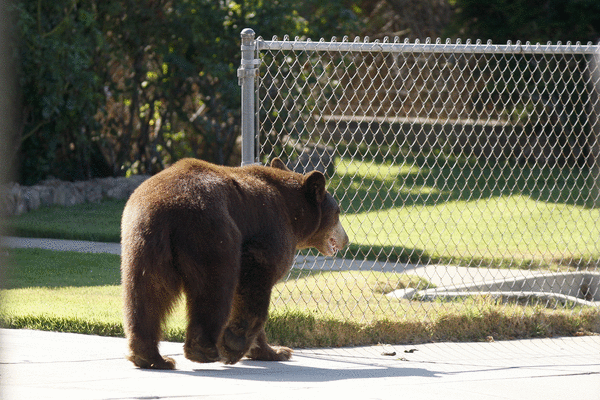
Spring is here — and wildlife activity is heating up in California.
“The arrival of warmer weather means black bears will be emerging from winter dens and actively searching for food,” the California Department of Fish and Wildlife said in a Facebook post March 16. “This includes mother bears with new cubs of the year and quite often their yearling offspring as well that were born the year before.”
Some bears spent the colder months hibernating under Lake Tahoe-area homes.
After “months without eating,” older bears will be hungry and “especially motivated by strong smells,” state wildlife officials said. “The cubs, meanwhile, will learn everything from their mother, including where to find food and what’s safe to eat.
Bears search far and wide for food sources — and won’t be stopped by doors, fences, trash cans or other barriers between them and tasty morsels, The Idaho Statesman previously reported.
That search for sustenance is the source of most conflicts between humans and bear.
“With more hungry bears soon on the landscape, it’s especially important to remain vigilant in keeping bears from accessing human-sourced food and garbage,” the California Fish and Wildlife Department said. “Preventing bears from becoming dependent on human-sourced food keeps them wild and largely free from conflict.”
Here’s what to know about bear safety:
When do California black bears emerge from dens?
Black bears start hunkering down in dens between October and December, and remain inside for several weeks or months, “depending on local climate and other conditions,” the California Department of Fish and Wildlife said.
These “highly efficient hibernators” may find shelter “under fallen logs, in vegetation thickets, high up trees, in crevices or even under decks and patios,” the state wildlife agency said.
The bears start emerging from their dens in the spring, usually between March and May, the department said.
Adult male bears usually hibernate for less time — settling down later and emerging earlier than adult female bears, especially those pregnant with cubs.
Bear cubs are usually born in January and February, leaving their dens with their mothers and siblings sometime in April for tree-climbing lessons.
The Bear League gets calls from Tahoe-area property owners each year that mama bears have taken up winter residences under their homes, The Sacramento Bee previously reported.
“The bears can often cause a tremendous amount of damage while they are there for several months,” the nonprofit organization said in March. “It can also be dangerous for the bears due to electrical wires, gas pipes etc.”
The Bear League recommends that homeowners bear-proof their homes before the predators have a chance to move in, securing crawlspaces after bear families leave.
Are conflicts between bears and humans common?
Conflicts between humans and black bears are reported “in urban, rural and mountain communities through much of California,” the state Fish and Wildlife Department said.
“As our human population expands into wildlife habitat, human-wildlife interactions have increased,” the department said.
“Most wild animals, including black bears, naturally avoid or fear humans,” state wildlife officials explained.
However, bears can lose their fear of humans and associate them with food sources, leading to property damage, public safety risks and the loss of small livestock or pets, Fish and Wildlife said.
“Black bears are highly food-motivated,” state wildlife officials said, noting that it’s “natural for a bear to investigate all attractive smells and consume whatever seems like food.”
“The best way to prevent conflict is to eliminate the attractant,” the California Department of Fish and Wildlife said. “If a black bear becomes habituated to humans or food conditioned, they may become increasingly bold or destructive.”
How can I keep food and trash away from bears?
California wildlife officials said property owners and tenants should remove food that attracts bears and prevent the wild animals from accessing to food sources, using bear-proof containers, electric fencing and electric mats.
The state Department of Fish and Wildlife shared the following tips for dealing with food and trash in bear country:
— Use bear-resistant containers to secure trash, recycling, and compost.
— Pick ripe fruit off trees, bushes, and the ground as soon as possible.
— Keep doors and windows closed and locked, including car doors and windows.
— Clean barbecue grills after every use and store it in a secure shed or garage.
— Remove any unsecured trash, food and strongly-scented items including sunscreen, deodorant and Chapstick from your vehicles and yard.
— Don’t leave pet food or bird feeders outside.
To prevent conflicts with bears, residents should:
— Bring pets inside at night.
— Keep livestock in secure pens at night, and install electric fencing around chicken coops and enclosures.
— Close-up access to any potential den sites, such as crawl spaces under decks.
— Install motion-activated lights, noisemakers or alarms.
— Install electric mats.
— Use sensory deterrents, such as ammonia in a shallow bowl.
How to stay safe while outdoors in bear country
“Black bear encounters resulting in human injury are rare in California,” state wildlife officials said, but the furry critters can be unpredictable.
“Most black bear ‘attacks’ are defensive actions if the animal is protecting cubs, becomes startled or scared,” officials said, adding that food-conditioned or habituated black bears can become bold and start acting aggressively toward people. “Each situation is different.”
To stay safe outdoors in bear country, the department recommends:
— Know the area where you’re hiking, camping or fishing and stay aware of your surroundings at all times.
— Leash your pets while outdoors.
— Keep pets within eyesight and secure at all times. Don’t let them sleep outside.
— Watch for signs of black bears in the area, including scat, tracks, den sites and bark stripped off trees.
— Make your presence known by talking loudly or whistling.
— Travel in groups.
It’s also a good idea to:
— Remove any unsecured food from inside your car.
— Remove any unsecured food or strongly-scented items in your tent.
— Store food, toiletries, and scented items inside bear-resistant food canisters or bear lockers.
— Remove trash regularly.
— Clean fish or field dress animals away from your campsite.
— Clean grills, dishes and your eating area after every meal.
— Change out of clothes you cooked or ate in before going to bed.
What to do if you see a bear
If you encounter a black bear , the California Department of Fish and Wildlife says, you should keep as much distance as you can between you and the bear, and back away slowly.
Do not run or scream, even if the bear charges toward you. Bears will instinctively chase you, just like a dog would.
Instead, let the black bear know you’re there by talking calmly in a low voice and slowly waving your arms. This can help the bear realize you’re a human, and not a threat or prey.
Keep small children and pets close to you, picking them up if you can do so without bending over.
Make yourself look as big as you can by seeking higher ground and holding a jacket, backpack or other objects over your head.
You should also make lots of noise by yelling, clapping or using a whistle. Bear spray can also come in handy.
Let the black bear leave the area on its own.
If a black bear does make contact, fight back. Then call 9-1-1 as soon as possible.
_____
©2026 The Sacramento Bee. Visit sacbee.com. Distributed by Tribune Content Agency, LLC.






Comments