
Environmental Nutrition: Ride the kelp wave
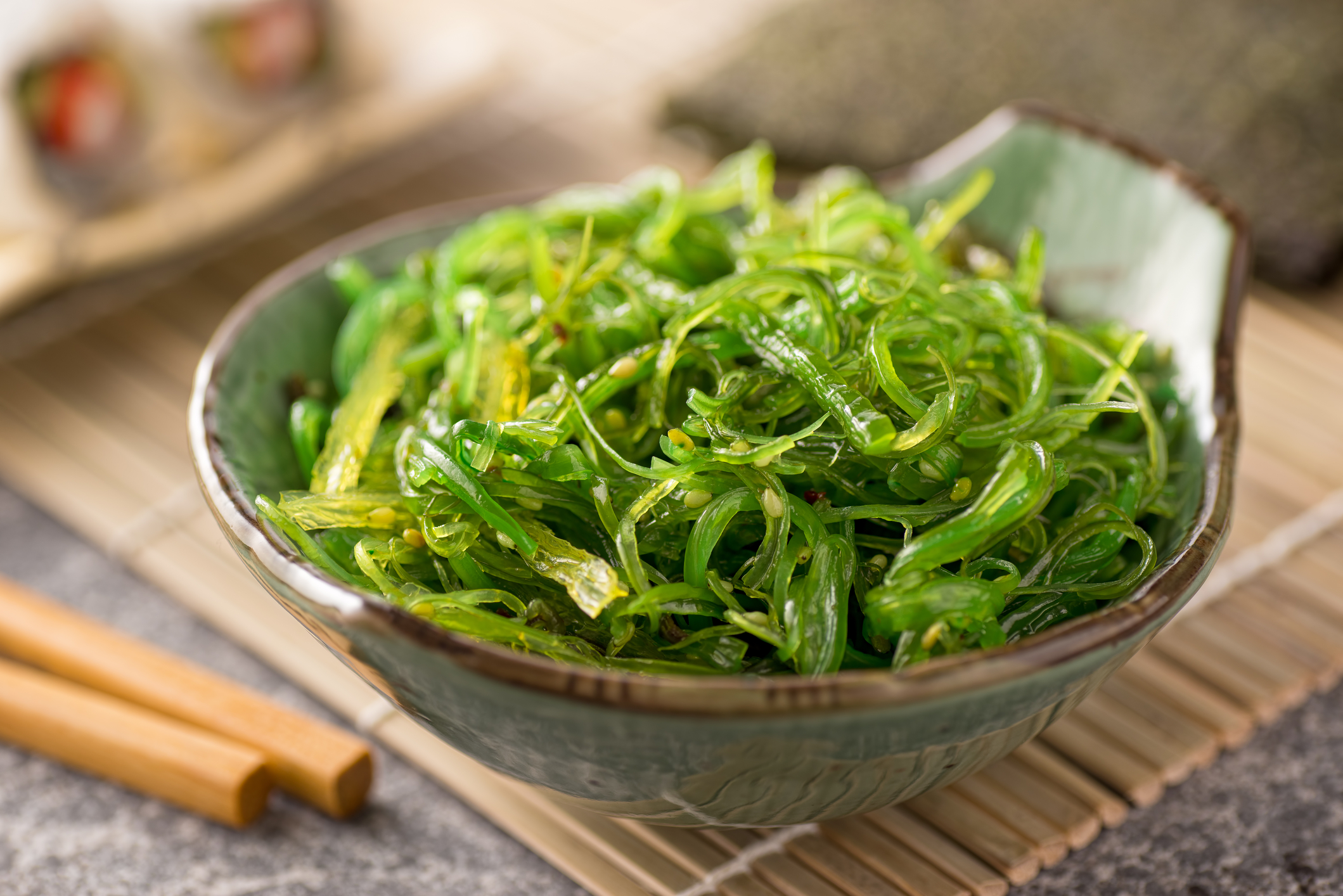
Rich in vitamins and minerals, kelp is a nutritious and delicious ingredient worth getting to know.
The folklore
People have eaten seaweed for thousands of years. Indigenous peoples along the Pacific coast of North America and indigenous Australians relied on kelp as an important culinary tradition, drying and preserving it for times of scarcity. It’s now riding a wave of popularity and making a splash in the food world.
The facts
Kelp is part of the Laminariaceae family, which includes upward of 30 different types, including wakame, kombu and giant kelp. Kelps are large, brown seaweeds that grow in shallow coastal areas. Kelp is rich in nutrients, including iron, calcium, magnesium, B vitamins, and vitamin K. Because seaweeds actively absorb minerals from the water, they can typically have far more minerals than what is found in plants grown in soil. Kelp is one of the best natural sources of iodine, which plays a role in producing thyroid hormones, metabolism, and healthy pregnancy. The body does not manufacture iodine on its own, so it’s important to get it through diet.
The findings
Adequate daily intake of minerals is essential for the prevention of chronic nutrition related and degenerative diseases, including cancer, cardiovascular disease, and obesity. Research suggests seaweeds’ high mineral content may play a promising role in helping people get enough (Critical Reviews in Food Science and Nutrition, 2022). Research suggests they may also help protect against cancer, diabetes, high blood pressure, and brain degenerative disease, such as Alzheimer’s disease.
The finder points
Fresh, frozen, dried, powdered, or in food products, seaweed is becoming more available online in specialty markets and mainstream groceries. Consider swapping your usual pasta with kelp noodles, like in an Asian inspired seaweed salad or pad Thai. Crunchy sheets of roasted seaweed are a popular snack. Change up your soup and base with dashi, a broth made from seaweed. Definitely try one of the many seaweed seasonings, like furikake, to bring an umami boost to sides, salads and more.
(Environmental Nutrition is the award-winning independent newsletter written by nutrition experts dedicated to providing readers up-to-date, accurate information about health and nutrition in clear, concise English. For more information, visit www.environmentalnutrition.com.)
©2025 Belvoir Media Group, LLC. Distributed by Tribune Content Agency, LLC.









Comments