
My Pet World: Helping a cat get back on track



Dear Cathy,
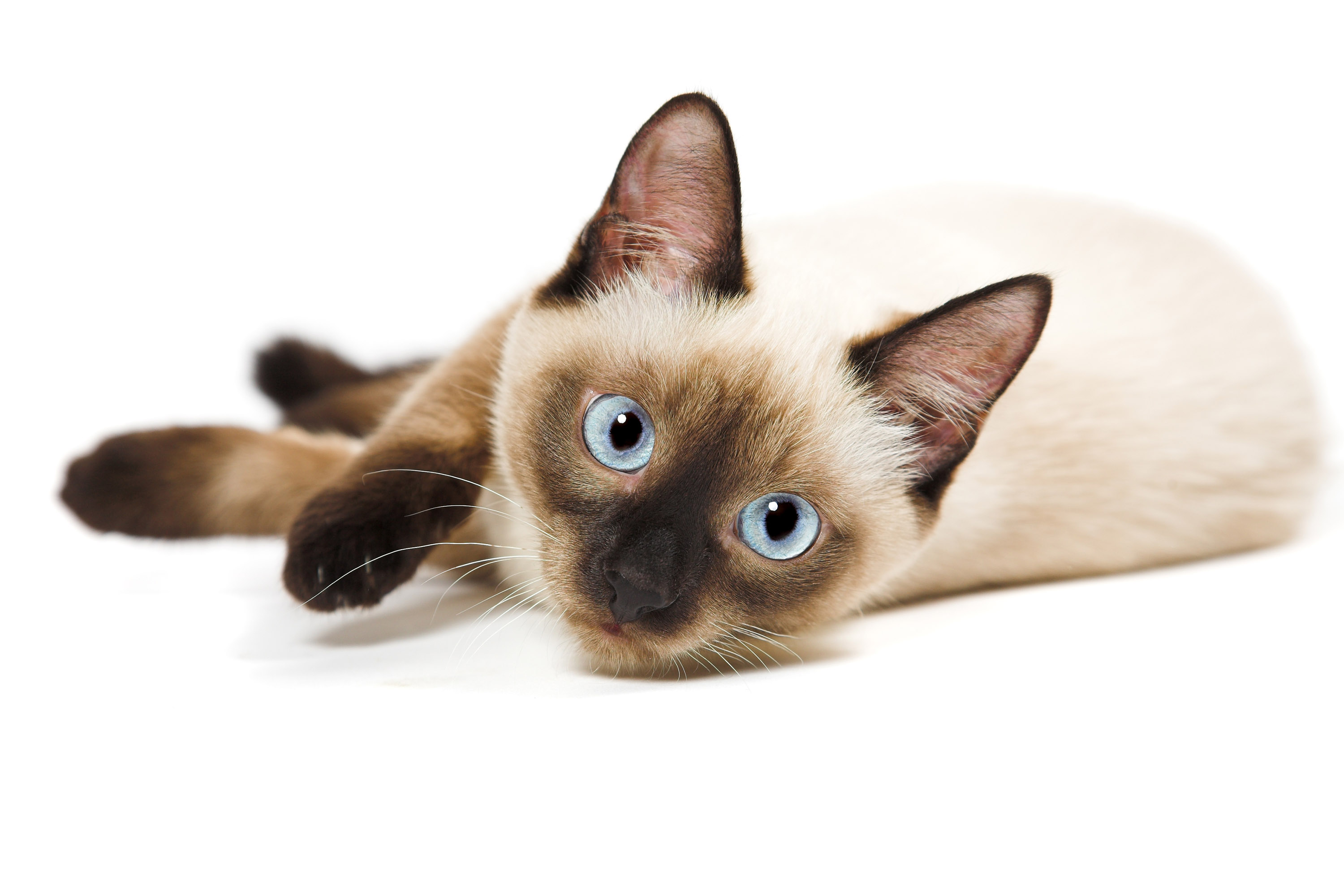
My two-year-old Siamese Cat has decided she no longer needs to use the litter box to poop. She seems to think it is perfectly acceptable to use our bed instead. She has been doing it for about a month. Our vet ran tests and found her to be healthy. We honestly can't think of anything that could have upset her.
The vet put her on fluoxetine cream. It was to be administered in her ear. Our cat, Mai, is extremely smart and stubborn. She fought tooth and nail for the first few days, then she hid until I was asleep. Now we are trying liquid fluoxetine in her food. Again, very smart, she will not eat the food.
Both my husband and I love Mai very much and want to find a resolution. At this time, we are very concerned because we don't see a good outcome to this problem. Any thoughts or suggestions you might have would be so welcome.
— Barbara, Las Vegas, Nevada
Dear Cathy,
When a cat suddenly stops using the litter box, especially for bowel movements, it’s almost always a sign that something has changed from the cat’s point of view — even if nothing obvious has changed for the people in the home. The fact that your veterinarian ruled out medical problems is an important first step, because discomfort, constipation, and pain are common causes. When the tests are normal, the next place to look is stress, litter box preferences, or learned habits.
Cats often choose the bed because it smells strongly like their person and feels safe. If a cat becomes anxious or uncomfortable using the litter box for any reason, she may look for the softest, most familiar place instead. Once that pattern starts, it can become a habit very quickly. This does not mean Mai is being stubborn or spiteful. Cats don’t think that way. She is trying to solve a problem the best way she knows how.
Start by going back to basics with litter box setup. Make sure you have at least two boxes per cat, placed in quiet, easy-to-reach locations. Try a different type of litter, especially an unscented, fine-grain litter, which many cats prefer. Some cats also like larger boxes with lower sides so they feel less confined. Clean the boxes twice daily, since some cats will avoid a box that has already been used.
You can also try making the litter box more appealing by sprinkling a litter box attractant in the box to draw her back to the box. These are available online and at pet stores. I also recommend putting a feline pheromone collar on her. You have to replace them every 30 days, but they can be helpful in creating a calmer environment during a retraining period.
Because she is choosing the bed, management is also important while you work on the behavior. Keep the bedroom door closed when you are not in there or cover the bed with a waterproof liner or plastic sheet temporarily. This is not punishment; it simply prevents her from practicing the behavior while you are helping her relearn a better one.
Most importantly, don’t lose hope. Litter box problems can feel overwhelming, but many cats return to normal once the cause is found and the routine becomes predictable again. Your willingness to keep looking for solutions tells me Mai is in a home where she is loved, and that gives her the best chance of working through this.
Dear Cathy,
I read your column about breeders, and have only one thing to add, which is that ethical breeders take their puppies back no matter the reason or age if the owner can no longer care for them, which is stated clearly in the puppy contract.
Both the dam and sire’s breeders consider that they are responsible for every puppy produced for the life of that puppy. If they themselves cannot keep the returned dog, they will rehome that dog and that rehoming process is just as vigorous as when that puppy was first offered for sale.
— Anonymous, Bartlett, Illinois
Dear Anonymous,
You are right that many breeders include a return-to-breeder clause and remain committed to the well-being of the dogs they produce. When followed, these practices can help ensure that dogs are safely rehomed and supported throughout their lives and stay out of the animal shelter system.
At the same time, shelters and rescue organizations continue to care for many purebred dogs who don’t have that guarantee, which underscores the importance of thoughtful decision-making when adopting a pet.
_____
_____
========
(Cathy M. Rosenthal is a longtime animal advocate, author, columnist and pet expert who has more than 25 years in the animal welfare field. Send your pet questions, stories and tips to cathy@petpundit.com. Please include your name, city, and state. You can follow her @cathymrosenthal.)
©2026 Tribune Content Agency, LLC.
(c) 2026 DISTRIBUTED BY TRIBUNE MEDIA SERVICES, INC.







Comments