Senior Pets Offer Lifelong Companionship to Senior Citizens
Published in Senior Living
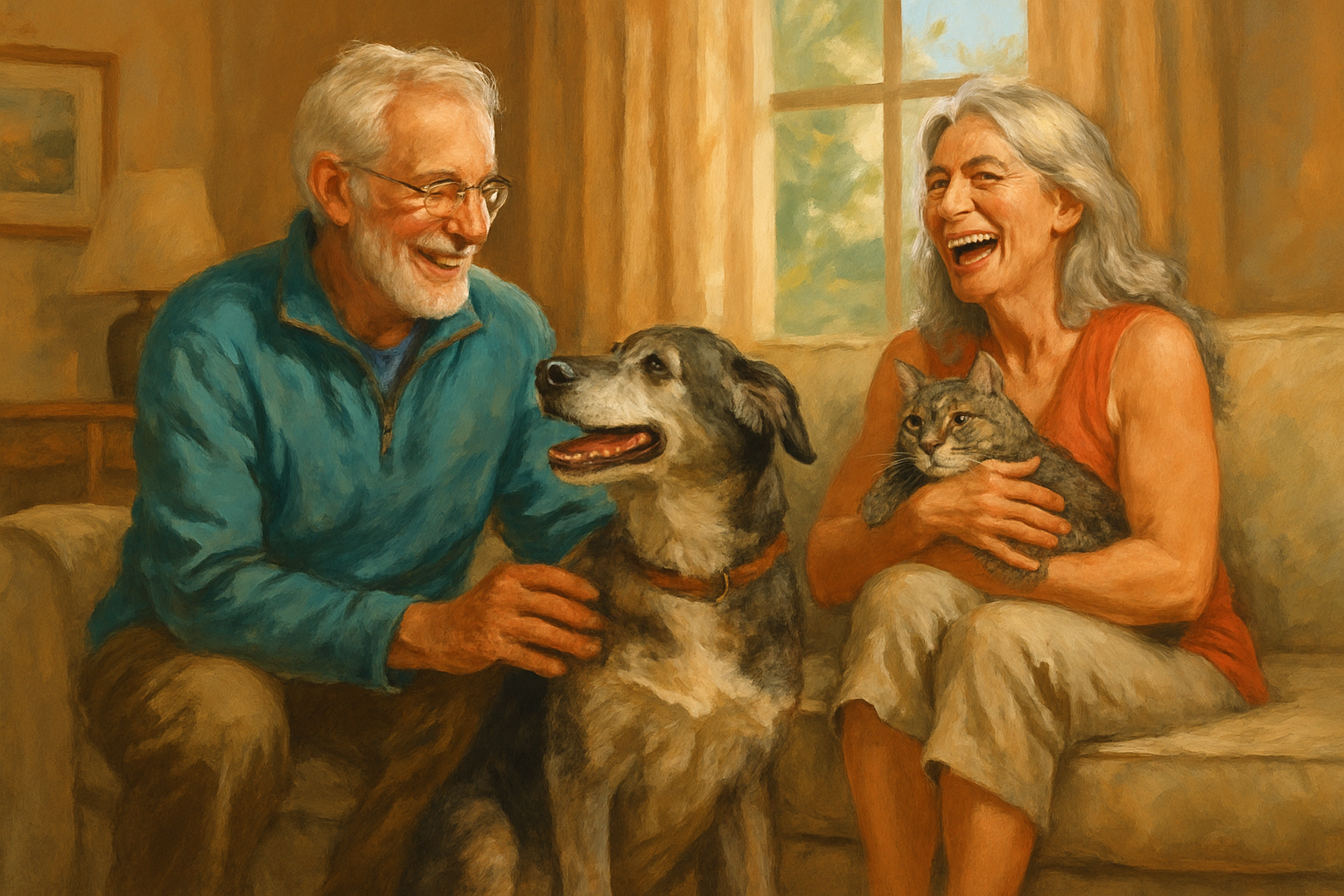
As Americans continue to live longer, healthier lives, a growing number of older adults are seeking ways to remain active, connected and emotionally fulfilled. One of the most promising — yet often overlooked — supports for aging adults is the companionship of senior pets. Older dogs and cats, frequently passed over in shelters in favor of younger animals, bring not only affection but also stability and meaningful engagement that aligns well with the needs of senior citizens.
Animal welfare groups have long noted that senior pets face steep adoption challenges. Puppies and kittens attract immediate attention, while older animals wait — sometimes indefinitely — despite calmer temperaments and established personalities. Increasingly, however, researchers and gerontologists have begun pointing toward a natural and mutually beneficial pairing: senior humans and senior pets.
A Calmer Energy for a Calmer Life
One of the most significant advantages of adopting a senior pet is the alignment of activity levels. Older adults often prefer companionship that doesn’t require the high-intensity exercise typical of younger animals. Senior dogs tend to enjoy leisurely walks and predictable routines, while older cats are content with quiet companionship. This creates a harmonious match where neither party feels overwhelmed or overstimulated.
Senior pets are also past the mischievous behaviors that can challenge new pet owners — no teething, no constant supervision, and far fewer surprises. For older adults managing health concerns or limited mobility, a calm, steady presence can make pet ownership joyful rather than taxing.
Emotional Support That Improves Well-Being
Pets offer a unique kind of emotional grounding, a steady companionship that reduces feelings of loneliness — something many seniors experience, particularly after retirement, the loss of a spouse or changes in social circles. Studies repeatedly show that pet ownership can decrease symptoms of depression, improve mood and provide a comforting sense of purpose.
Older animals, having lived through their own transitions, often bond deeply with new owners. Many arrive in shelters after losing their previous homes or caregivers. This shared experience can foster an immediate sense of empathy and understanding. Seniors often speak of the “quiet loyalty” older pets provide — a companionship built on mutual trust rather than high-energy interaction.
Health Benefits Backed by Research
For decades, researchers have explored the positive effects of pets on overall health, and findings consistently support the value of animal companionship for older adults. Regular interaction with a pet has been linked to reduced blood pressure, lower stress hormones and improved heart health. Even the simple act of petting a calm dog or stroking a purring cat can trigger the release of endorphins, promoting relaxation and emotional balance.
Dogs, even senior ones, encourage gentle physical activity. Short walks can improve cardiovascular health, increase mobility and maintain a sense of structure. For seniors recovering from injury or illness, these brief outings provide routine and exposure to fresh air — two elements that significantly contribute to resilience and rehabilitation.
Predictable Personalities and Easier Care
Senior pets arrive with something priceless: a known temperament. Unlike younger animals whose personalities may still be developing, older pets are fully themselves. Seniors adopting senior pets can select an animal whose behavior, energy level and social tendencies match their lifestyle.
This predictability reduces stress for older adults who may not feel equipped for the uncertainties of training or behavior shaping. Senior pets are usually house-trained, familiar with household rhythms and less likely to engage in destructive behavior. For seniors juggling medications, appointments or mobility concerns, this ease of care is especially valuable.
Social Connection and Community Engagement
Pets naturally draw people into conversation, whether laughing with neighbors during a walk or chatting in a waiting room at the veterinarian. For seniors who may feel socially isolated, a pet can become an entry point into community interaction. Dog parks, pet-friendly events and shelter alumni groups all offer meaningful opportunities for connection.
Many older adults report that having a pet helps re-establish a sense of identity and purpose — they become “the person with the sweet old dog” or “the neighbor with the friendly cat.” These small points of recognition can blossom into friendships and social networks at a stage of life where maintaining such ties grows increasingly important.
Saving a Life and Strengthening Purpose
Perhaps the most profound benefit lies in the emotional meaning of adopting an older pet. Senior animals are among the hardest to place in shelters, despite often being gentle, loving and eager for companionship. When seniors adopt them, they not only gain a companion but also give one. This act of rescue amplifies a sense of purpose — the knowledge that someone vulnerable is depending on them and thriving because of their care.
In interviews, many senior adopters describe a shared grace between themselves and their pets: both navigating aging, both adapting to new routines, both grateful for a second chance. This mutuality creates a bond that can be deeply healing.
A Match That Deserves Greater Awareness
Even with their advantages, senior pets remain overlooked in adoption centers. Outreach programs — including reduced-fee adoptions, volunteer home visits and partnerships between senior living communities and shelters — have begun highlighting the benefits older animals bring to older adults. As the population of seniors continues to grow, so does the opportunity to reframe how society views late-life pet companionship.
The pairing of a senior pet with a senior adult is not simply practical. It is emotionally rich, stabilizing and often transformative for both. Older pets offer companionship without chaos, affection without overwhelm and presence without expectation. For seniors seeking comfort, purpose and connection, these animals may be among the most compassionate companions they could choose.
========
This article was written, in part, utilizing AI tools.























Comments