5 simple ways to improve gut health
Published in Health & Fitness
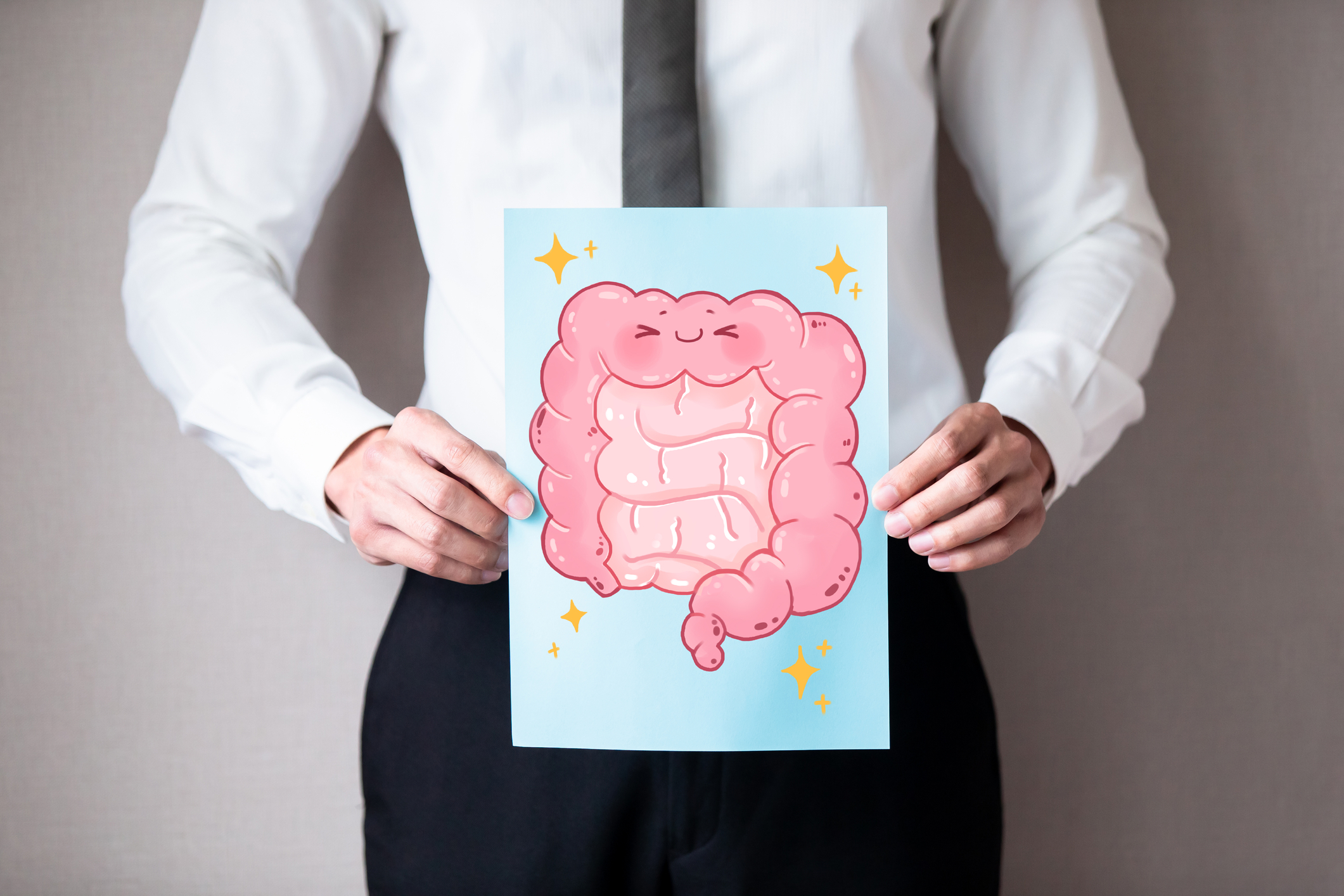
Gut health is easy to take for granted — or to ignore completely, if everything is generally functioning well. But gut problems can affect your overall health in a variety of ways, from the obvious (stomach discomfort) to less obvious effects on mood and immune function.
Why gut health matters
An essential aspect of gut health centers on the microbiome — the collection of all microorganisms (both good and bad, and their genes) living in your gastrointestinal tract. Most people have hundreds — or even thousands — of different species of bacteria, viruses, and fungi living in their gut, primarily in the large intestine.
A diverse community of these microbes is considered crucial, as it may help support health in a variety of ways, including:
Plus, a healthy and diverse gut microbiome may help reduce your risk for conditions such as diabetes, inflammatory bowel disease, psoriatic arthritis, some cancers, GI disorders, and cardiovascular disease.
So, it’s important to take steps that support a healthy gut microbiome. Five strategies in particular can help.
1. Add more fiber to your diet
Fiber serves as a prebiotic (food for the good bacteria that live in your gut). Eating plenty of fiber is associated with increased microbial diversity and a reduced risk of gastrointestinal issues like constipation and Crohn's disease (an inflammatory bowel disease in which inflammation injures the intestines). Fiber promotes colon health by reducing inflammation; it also helps keep you regular.
However, most of us don't get enough fiber. Aim to get 21 to 38 grams of fiber per day. Fiber is found in a variety of foods including legumes, whole grains, avocados, sweet potatoes, Brussels sprouts, tofu, berries, leafy greens, and nuts and seeds.
2. Stay hydrated
Water is necessary for healthy digestion. Fluid helps your body absorb and transport nutrients, keeps your core body temperature (and digestion) steady, aids in the production of mucus to protect your digestive tract, and helps prevent constipation.
When you become constipated, your gut microbiota change, becoming less abundant. If you become dehydrated, your body will let you know, as not drinking enough can manifest as thirst, headache, dry mouth, less frequent urination, dizziness and tiredness.
Remember that information as an incentive to stay hydrated. The amount of fluid to consume each day from food and drink depends on your body size and health needs. The National Academy of Medicine recommends about 11 cups (88 ounces) per day for women and 15 cups (120 ounces) per day for men.
If that seems steep, remember that everything you drink — water, moderate amounts of caffeinated coffee or tea, juice, milk, or even drinks with a low alcohol content, like beer — counts toward this total.
Plus, a balanced diet may help contribute up to two cups of fluid to your daily intake. For example, eating the recommended two servings of fruits and three servings of vegetables each day might provide about 15 ounces of fluid.
3. Manage stress
Increased stress often manifests itself in digestive discomfort. Stress causes hormones like adrenaline and cortisol to spike, leading to symptoms such as diarrhea, constipation, stomach pain, and heartburn. This gut-brain connection is powerful; it’s why we get butterflies before a big presentation, or feel nauseous when we're in a high-stakes situation. And while we can’t avoid stressful situations entirely, it’s possible to learn to manage stress through techniques like belly breathing, relaxation therapy, and meditation.
4. Get enough sleep
Healthier gut, better sleep? Perhaps, according to 2023 research published in Frontiers in Microbiology. Scientists found that certain bacteria in your gut may influence your sleep in a variety of ways, affecting your likelihood of experiencing insomnia, how frequently you need to nap, and how long you stay asleep at night.
Most people should aim for seven to nine hours of sleep a night. If you’re struggling to hit that goal, try improving your sleep hygiene, getting plenty of daytime exercise, and checking out techniques for stress management.
5. Stay physically active
A 2023 review found that participating in 150 to 270 minutes of moderate- to high-intensity exercise per week for at least six weeks has a positive effect on gut microbiota, particularly when combining aerobic exercise with resistance training.
We already know that people who are sedentary have different gut microbiota characteristics than active people; this research suggests that you might be able to improve your gut health through exercise even if you’re not currently active.
(Lindsay Warner is a content licensing editor for Harvard Health Publishing.)
©2026 Harvard University. For terms of use, please see https://www.health.harvard.edu/terms-of-use. Distributed by Tribune Content Agency, LLC.









Comments