Charlie Puth admits he's been using AI 'for years' as he steps into major new music‑tech role
Published in Entertainment News
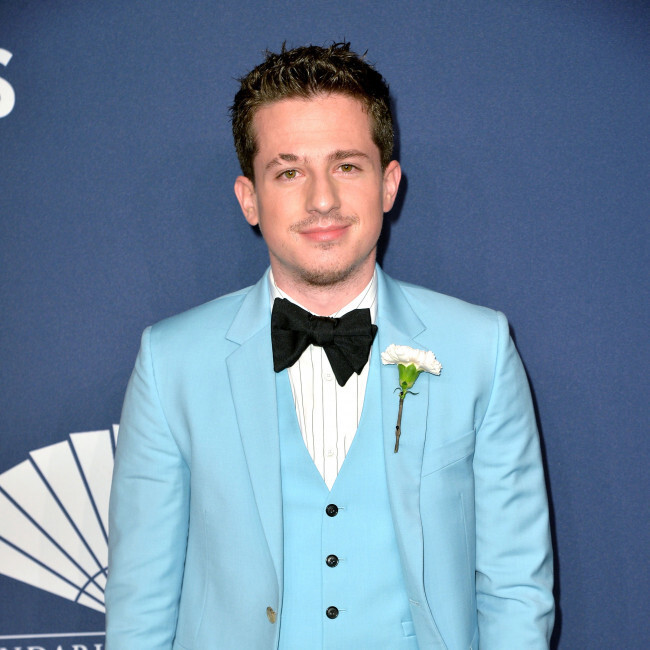
Charlie Puth has taken on a major new role in the tech‑music world after being appointed chief music officer at AI platform Moises.
Moises, created by musicians and used by more than 70 million artists globally, allows users to isolate vocals and instruments, identify chords and experiment with new arrangements.
The platform is designed as a creative tool rather than a song‑generating AI, giving musicians more control over their own material without replacing the human element.
Charlie said he has relied on the technology for years.
He said: "I've been using Moises in my own creative process for years, as have many of my friends.
"It opens up possibilities that used to take hours or expensive studio setups."
He stressed that the platform is meant to support musicians, not overshadow them.
Charlie continued: "AI, when done right, isn't here to replace musicians.
"It's here to help artists learn, explore, and bring their ideas to life."
In his new position, Charlie will help shape the platform's creative direction, collaborate on new artist‑focused features and ensure Moises continues to reflect how musicians actually work in real studio environments.
To mark the announcement, Charlie and Moises have launched a global remix competition running until March 31. Fans and musicians can create their own remix or cover of his track Beat Yourself Up from his latest album Whatever's Clever! using Moises' tools. Charlie will personally select the winners, who will receive a share of $100,000 in cash and prizes, plus a meet‑and‑greet at his New York City show on May 29. Entries can be submitted through Moises.ai.
AI continues to upset musicians.
Radiohead's Thom Yorke has said artificial intelligence does nothing more than "steal" from original human artistic work.
The 57-year-old songwriter is against the onslaught of AI in the music business and other creative industries.
Thom insists the technology is stealing musicians' ideas with no financial reimbursement.
Speaking to Electronic Sound magazine, Thom said: "As far as I can tell in music and art and all creative industries, Al is so far only able to 'create' variations on genuine human artistic expression, and those are obvious. Is Al capable of genuine original creative thought? I have yet to see that. It analyses and steals and builds iterations without acknowledging the original human work it analysed. It creates pallid facsimiles, which is useful in the same way auto-accompaniment is useful, or a screensaver of a beautiful natural landscape in a billionaire's bunker is.
"But the economic structure is morally wrong ... the human work used by AI to fake its creativity is not being acknowledged. Writers are not paid. It's a weird kind of wanky, tech-bro nightmare future, and it seems this is what the tech industry does best. A devaluing of the rest of humanity, other than themselves, hidden behind tech. In the US right now, we are witnessing this spilling over into politics.
"We are. in modern parlance. 'creatives. which is a term I find deeply offensive because it arrived around the time that art morphed into 'content' for devices."
Thom - who also fronts The Smile - was one of 10,500 signatories, which also included Abba's Björn Ulvaeus and The Cure's Robert Smith, warning artificial intelligence companies that unlicensed use of their work is a "major, unjust threat" to artists' livelihoods.
The statement read: "The unlicensed use of creative works for training generative AI is a major, unjust threat to the livelihoods of the people behind those works, and must not be permitted."








Comments