Christian Bale reveals what he really thinks about new American Psycho remake
Published in Entertainment News
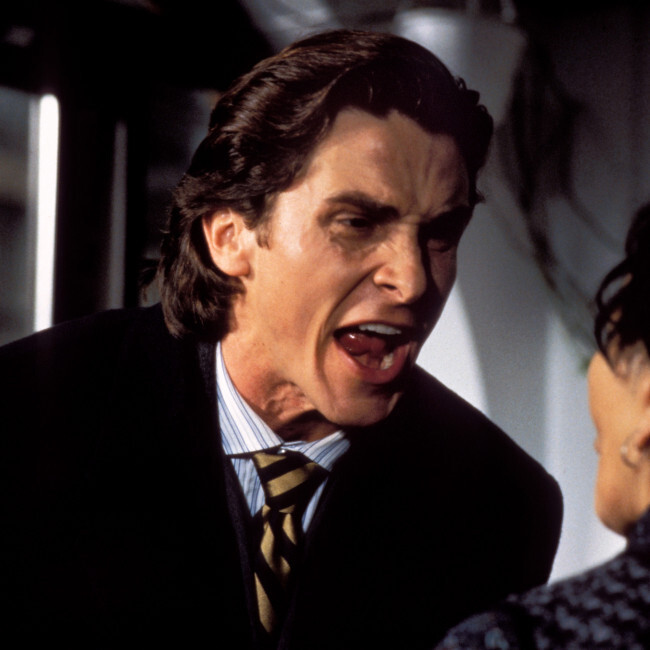
Christian Bale thinks the new American Psycho is a "bold choice".
The 52-year-old actor - who played Patrick Bateman in the original 2000 adaptation of Bret Easton Ellis' 1991 novel - has weighed in on the upcoming film, which will be a different take on the story of investment banker living a double life as a serial killer.
Asked if there were any young actors who he could see stepping into the lead role, Bale told The Hollywood Reporter: "Whoever wants to give it a shot, give it a pop.
"I loved making it with [director] Mary Harron so many years back, fantastic memories of it all.
"Bold choice of anyone to try to do a -- I don't know if they're doing a remake or what, I don't know anything else about it. But all the best to 'em, I like brave people."
Director Luca Guadagnino and writer Scott Z. Burns are working on the movie, while fans are still waiting on casting news for the new Bateman after Easton Ellis admitted several big name actors have turned down the role.
He said on his podcast: "A couple of high profile actors, whom I can't name, have turned it down. I think maybe because they don't want to be in the shoes of Christian Bale."
The author noted that Burns has since written a new draft of the script after several actors passed on the previous version and insisted the new film will "bear no resemblance" to the 2000 movie.
He added: "From what I'm told, this movie is completely different from Mary Harron's 2000 movie. It's a completely different take, and going to bear no resemblance to that movie."
However, one way the film won't be different is with a gender-swapped lead role.
Rumours had suggested Margot Robbie was linked to the leading role, but Deadline recently emphasised that was a "non-starter".
American Psycho follows Patrick Bateman, a wealthy Manhattan investment banker who hides his psychopathic violence and murderous impulses behind a facade of charm and material success.
As his obsession with status and control deepens, his grip on reality unravels, exposing the emptiness and brutality of 1980s consumer culture.










Comments