'It was a matter of time': Diseased bats may have arrived in Las Vegas
Published in News & Features
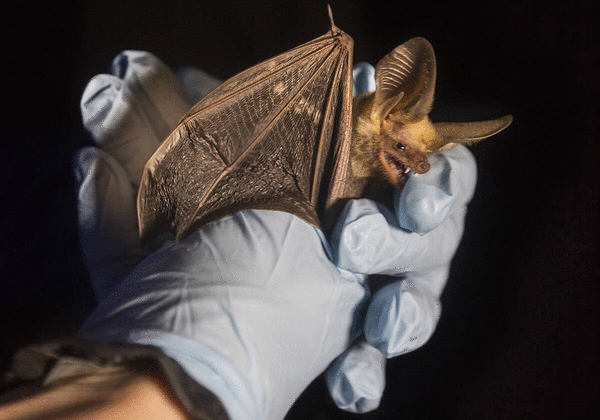
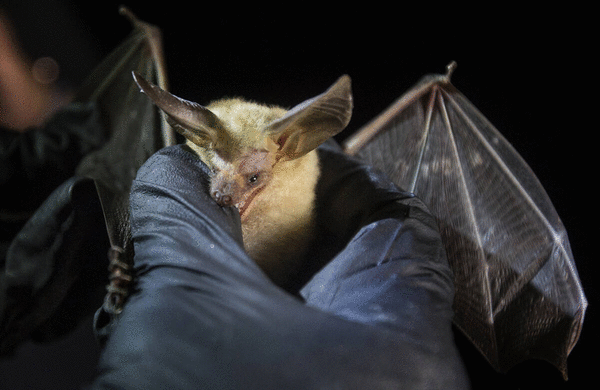
After avoiding it for nearly two decades, wildlife officials say that the illness wiping out millions of bats may have reached Nevada.
The fungal disease is known as white-nose syndrome, and it’s considered to be the single most deadly wildlife disease outbreak in North American history. Scientists first documented the disease in New York in 2006, and it has since spread westward and killed about 6 million bats.
On Monday, the Nevada Department of Wildlife said biologists confirmed the presence of Pseudogymnoascus destructans (Pd), the pathogen that causes the disease in bats, during routine monitoring within Lake Mead National Recreation Area.
“We knew it was a matter of time before Pd arrived in Nevada and we have been vigilantly surveying bats for many years now, not only for this fungus but also to track their population trends,” said Jonathan Young, a wildlife staff specialist, in a statement.
According to a U.S. Geological Survey report from August, the disease had then been documented in bats in 40 States and nine Canadian provinces. Until now, Nevada hasn’t been one of them.
How Nevadans can stop the spread
The illness mostly affects bat species that hibernate, which wildlife officials say accounts for 14 of the state’s 23 species.
Biologists have found no bats with clinical signs of the disease but did confirm the presence of the pathogen. In a Monday news release, the state wildlife department emphasized the importance of bats in ecosystems, particularly in their role of eating insects and supporting the health of agricultural and natural landscapes.
“Nevada’s bats are incredibly important, and this fungus could have serious implications for their conservation,” Young said. “We will continue to monitor the situation and increase our efforts to reduce the spread of this fungus through continued equipment sterilization, habitat protection, and increased public education.”
The Silver State has had its own White-Nose Syndrome Response Plan in place since 2014, and the department will now work to determine how widespread the disease may be, according to the news release. Officials will work on wildlife-friendly closures of known bat habitats, such as abandoned mines.
The illness is mostly spread through bat-to-bat contact, but officials say humans can spread it, too, on their clothes or equipment. While the disease is not known to affect humans, Nevadans can do their part to prevent the spread by staying out of abandoned mines, officials said.
___
©2025 Las Vegas Review-Journal. Visit reviewjournal.com.. Distributed by Tribune Content Agency, LLC.






Comments